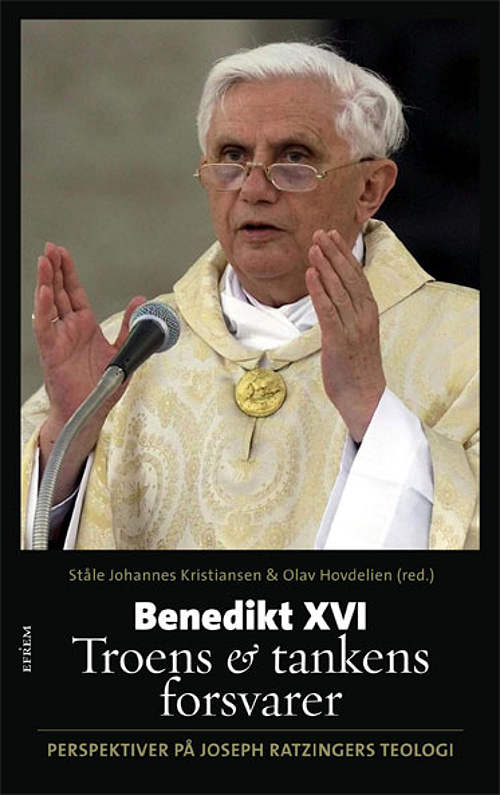
Fra innledningen til boka “Benedikt XVI – Troens og tankens forsvarer”
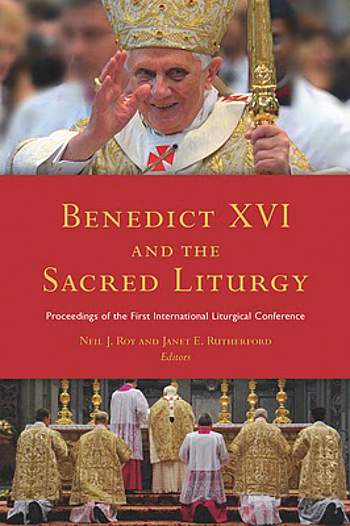
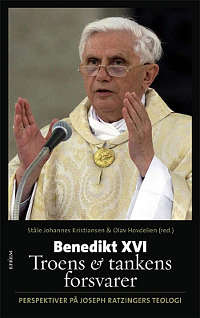 Jeg har nå fått tak i et eksemplar av denne interessante boka, og så langt lest gjennom tre av kapitlene. Det står ikke så mye om liturgi i den (dessverre for meg!), men desto mer om Ratzinger teologiske grunnsyn, og hans syn på det sentrale forholdet mellom tro og filosofi, og hans syn på Skriften. Fra bokas innledning kan jeg f.eks. ta med følgende om Ratzingers teogiske vektlegging i fohold til tidligere kirkefedre og teologer:
Valget av kardinal Ratzinger som Johannes Pauls etterfølger var et tydelig uttrykk for kontinuitet fra den populære polske pavens lange pontifikat. For på tross av visse forskjeller mellom de to, stod de hverandre nære på et mer grunnleggende teologisk og kirkelig plan.
Begge var dypt forankret i fornyelsen som spiret frem innenfor katolsk teologi i tiårene før Det annet Vatikankonsil, en fornyelse som brøt med den rådende nyskolastiske teologien. Den teologiske fornyelsen kjennetegnes blant annet ved en sannhetsforståelse som betoner åpenbaringens historiske, dramatiske og personlige (kristosentriske) preg, en ny vektlegging av sannhetens eksistensielle betydning for menneskelivet; dessuten av en tydeligere fremheving enn tidligere av det personlige subjekt (jf. Johannes Pauls personalisme).’ Oppbruddet fra samtidens skoleteologi innbefattet en omfattende gjennomtenkning av thomismens tolkninger av St. Thomas Aquinas. Den representerte likevel ikke et brudd med Aquinas selv, men med det man anså som feilaktige nytolkninger av ham. Derfor ser vi at viktige representanter for katolsk teologisk fornyelse forblir thomistiske, noe som var tilfelle med Karol Wojtyla/Johannes Paul. Det er da interessant å merke seg at Johannes Paul likevel valgte en uttalt ikke-thomist som Joseph Ratzinger til leder for Troskongregasjonen, noe som var et tydelig brudd med en lang kirkelig praksis. Selv stod Johannes Paul altså nærmere thomismen, men gav med dette valget uttrykk for nødvendigheten av en legitim pluralitet med hensyn til teologisk metode.
Teologisk var Ratzinger tydeligere inspirert av den nyskapende teologiske bevegelsen som fikk navnet la Nouvelle théologie. Denne forbindes først og fremst med franske navn som Henri de Lubac og Jean Daniélou, men har også tyskspråklige forløpere som Romano Guardini. Med anknytning til disse tenkerne ble Ratzinger en betydningsfull fornyer av tysk teologisk utdanning som fortsatt var preget av den mer objektiverende nyskolastikken.
Helt fra starten av knyttet den nye teologiske inspirasjonen seg til kirkefedrenes teologi og spiritualitet. Mens Daniélou og Hans Urs von Balthasar først og fremst lot seg begeistre av kirkefedre som Origenes, Gregor av Nyssa og Maximus Confessor, var det Augustin som ble Ratzingers store forbilde – både som teolog og biskop. Her spiller hans møte med de Lubacs skrifter en viktig rolle. Den betydning Augustin og kirkefedrene fortsatt har for pave Benedikt, kom tydelig til uttrykk i hans taler over sentrale kirkefedre under onsdagsaudiensene fra mars 2007 til februar 2008. … …