Aftenposten har fått en ny spaltist, Bjørn Stærk, som juledag skriver en ganske lang artikkel på deres nettsider.
Han begynner (ganske dramatisk) med å beskrive hvordan konservative kristne ser på virkeligheten, i forhold til skikkelige sekulære menensker (som bare tror alt er tilfeldig og uten mening, men fins det mange slike mennesker?):
Du har blitt fortalt at universet oppstod fra ingenting, at livet på jorden vokste planløst frem over milliarder av år med meningsløs snurring rundt en anonym fusjonsreaktor i hjørnet av en ubetydelig galakse. Og nå er vi her alle sammen, og forsøker å gjøre det beste ut av det.
I virkeligheten foregikk det slik: Et allmektig vesen snakket universet virkelig, formet jorden og fylte den med liv og perfekte, udødelige mennesker. Kanskje tok dette milliarder av år det også, men det er ikke viktig. Det viktige er det som skjedde etterpå, at menneskene tok denne gode verdenen vi hadde mottatt og fylte den med ondskap, litt som et barn som får en fin leke, og knuser den.
For å gi oss en ny sjanse til å leve slik vi var ment å leve, skilte dette vesenet ut et fragment av seg selv og sendte det inn blant menneskene for å bli torturert ihjel på våre vegne. Det er ikke så farlig om du ikke forstår hvorfor dette måtte skje. Det viktige er at du sier «ja takk» til dette offeret. På den måten vil du få leve i all evighet i en ny og bedre verden, som har alt det gode vår verden mangler, og mangler alt det onde vi har fylt vår egen med.
Å gjøre dette er det viktigste valget du noensinne vil ta. Det snur opp ned på alt. Det som er viktig og riktig for andre, blir nå uviktig og galt for deg. Andre fortsetter å surre rundt i mørket, fordi de ikke vet bedre og fordi det er mer behagelig her og nå. Det kan du ikke hindre dem i. Men du kan advare dem, og fortelle dem om den fantastiske oppdagelsen du selv har gjort: At det finnes en vei mennesket er skapt for å vandre på, en vei til evig lykke, og at alt du behøver å gjøre er å velge den.
Den kristne troen jeg vokste opp i høres eksotisk ut når jeg beskriver den på denne måten. Men det må til, for ellers glemmer du hvor forskjellig virkeligheten ser ut for kristne. Du henger deg opp i at de ser like ut som alle andre, at de kler seg likt, snakker likt, og sjelden gjør noe stort poeng av å være annerledes. Og så tror du de lever i den samme virkeligheten som alle andre. Det gjør de ikke. …
Far til Bjørn Stærk var pastor i Den evangelisk Lutherske firkire, og jeg kjente ham litt for ca 20 år siden, og hans svoger er en ivrig kristen apologet og forsvarer av tradisjonelle moralske verdier. Og her kan vi lese litt om kristnes ulike måter å forsvare sin tro på (de unge bruker faktisk mest den katolske måten):
… Katolikker tenker at alle mennesker har tilgang til det samme moralske kompasset, fordi det er bygget inn i naturen vår. Du trenger ikke skjønne Gud for å vite hva som er rett eller galt. Du vet allerede hva som er rett eller galt fordi du er skapt av Gud. Derfor kan du bruke allmenne argumenter i nesten alle spørsmål.
Kalvinister, så som baptister og pinsevenner, mener at det gode er skjult for oss helt til Gud forteller oss hva som er rett. Vi kunne ikke vite hva som var rett eller galt hvis vi ikke kunne lese det i Bibelen. De som mener dette begrunner gjerne meningene sine med bibelvers.
Lutheranere, som i Den norske kirke og Frikirken, plasserer seg mellom de to andre, og sier at moral i stor grad er felles, mens på andre områder er den skjult. Der den er felles, kan vi bruke allmenne argumenter. Der den er skjult, må du lese Bibelen for å vite hva som er riktig.
Om kristne velger å bruke et allment argument eller et bibelsk argument, kommer altså an på. For (min svoger) er det viktig å holde seg til allmenne argumenter når han deltar i samfunnsdebatten. Han engasjerer seg politisk kun når han kan bruke allmenne argumenter. Alt annet hører hjemme i kirken….
OPPDATERT 29/12:
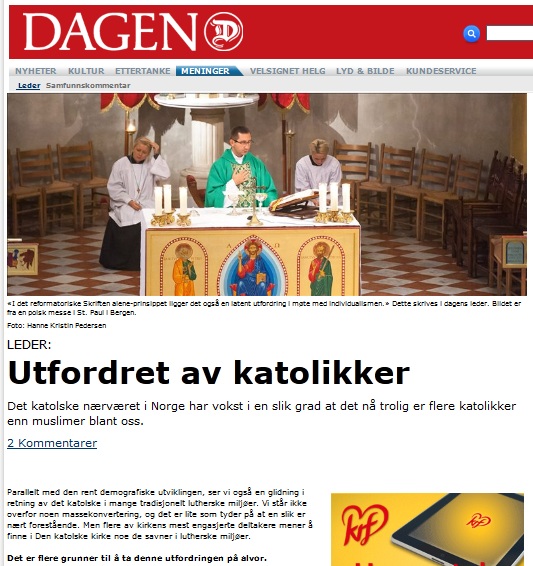
Denne artikkelen har fått mye oppmerksonhet, og er omtalt i både Vårt Land (27/12) og Dagen (28/12).