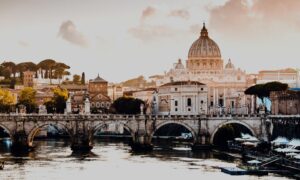
To lutherske bibelteologer har forelest for paven – og et Ratzinger-institutt skal opprettes
Som vanlig tidlig i september møtes kardinal Ratzingers tidligere studenter, hans «Schülerkreis”. I år hadde de invitert to lutherske bibelteologer, Martin Hengel og Peter Stuhlmacher, til å forelese – begge professorer ved universitetet i Tübingen, der Ratzinger underviste på 60-tallet.
… the topic was «the historicity of the Gospel narratives and the particular topic of Jesus’ consciousness of the significance of his own pending death.»
It added that Benedict XVI, who is in the process of writing the second volume of his book «Jesus of Nazareth,» took part in the «lively discussion […] with the same frankness, humor, and clarity that marked all his university seminars and colloquia.»
For the first time ever, doctoral students who are researching the Pope’s theology were invited to meet the Pontiff and his former students. Some 17 young theologians presented their research projects at two sessions this weekend, which the circle said marked «the beginning of a new generation of Ratzinger students.»
Det er også blitt opplyst at et institutt for å fremme studier av Ratzingers tanker og skrifter skal opprettes – i München 12. november. LES MER HOS ZENIT.
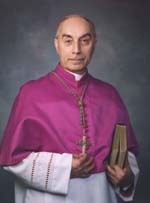 Visepresidentkandidat Joseph Biden bor i staten Delaware, og hans biskop er Michael A. Saltarelli – i bispedømmet Wilmington, med ca 200.000 katolikker. Biskop Saltarelli kan nå få stor betydning for presidentvalget, siden Biden er en katolikk som går inn for fri abort. Så langt ser biskopen ut til å være ganske klar på dette spørsmålet:
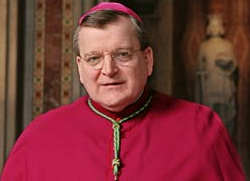 Den nye prefekten for Vatikanets Apostoliske Signatura, erkebiskop Raymond Burke, uttalte seg nylig ganske så tydelig og alvorlig om faren man utsetter seg for om man mottar kommunion og vet at man lever i alvorlig synd. (Dette snakkes det dessverre altfor lite om i Kirken i vår tid.)
 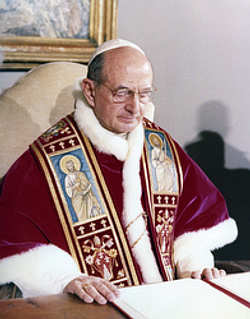 Pave Benedikt snakka for noe dager siden om pave Paul VI, tretti år etter hans død – som var onsdag kveld, 6. august. Pave Benedikt sa at vi etter hvert ville forstå bedre hvor mye godt Paul VI gjorde, og sa at hans innsats var nærmest overmenneskelig.
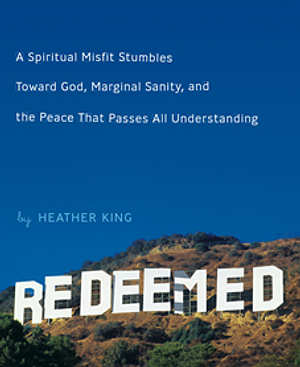 Ei kvinne i USA, Heather King, ble spurt om hvorfor hun valgte Den katolske Kirke da hun begynte å nærme seg kristen tro, og hun svarer: