Mandag denne uka var jeg til stede på følgende arrangement: Tarald Rasmussen og Helene Lund tar opp temaet «Anger og bot i Luthers teser». Oslo bispedømme og Oslo katolske bispedømme samarbeider om seks seminarkvelder på Litteraturhuset under overskriften «Luthers teser i vår tid?» Dette er den andre seminarkvelden.
Jeg sendte inn følgende spørsmål (det ble tilhørerne oppfordret til) etter det første foredraget: «Rasmussens beskrivelse av skriftemål, bot, syndstilgivelse, og avlat og skjærsild virker svært uklar for meg som katolikk. Det vil jeg gjerne ta opp i en replikk.» Men mitt spørsmål og ønske om oppklaring ble ikke tatt med i samtalen etter foredragene – og det var vel ikke å vente, siden arrangementet viste seg å være mye mindre siktet inn på teologisk presisjon enn jeg hadde regnet med.
Vårt Land hadde så (i dag) et referat av dette arrangementet (i papiravisa) der man bl.a. kan lese:
… Det var nettopp synet på den daglige bot som førte til Luthers konflikt med kirken, sa professor Tarald Rasmussen. — Luther individualiserte boten. Dette var det mest radikale, fordi presten ikke lenger fikk en sentral rolle, sa Rasmussen.
Kirkehistorikeren brukte sin innledning til å forklare hvordan man så på boten i Luthers samtid. Kirken praktiserte et botssakrament som alle måtte gjennom minst en gang i året. Det består av anger og bekjennelse overfor en prest som stiller spørsmål for å bevisstgjøre om synden og deretter tilsier syndenes forlatelse. Til slutt ilegger presten botsgjerninger, som ikke er en forutsetning for tilgivelsen, men skal gjøre godt igjen det man har gjort.
Avlaten kom inn som en mulighet for å kjøpe seg fri fra botsgjerninger, for eksempel å slippe å dra på en foreskreven pilegrimsreise. På Luthers tid var det utviklet videre til en praksis der man kunne kjøpe seg fri fra pinen i skjærsilden, altså for det som skulle skje etter døden.
… Vendepunktet for Luther knyttes ofte til hans såkalte reformatoriske oppdagelse da han leste i Romerbrevet og fikk en ny forståelse av Guds rettferdighet. Det er Luther selv som har beskrevet dette mange år senere — i 1545.
Men i forklaringen av tesene om avlaten som han skrev til sin skriftefar like etterpå, er det en ny forståelse av boten han omtaler. Han hadde fått åpenbart at ordet bot var et godt og positivt ord, og ikke et bittert og strengt ord, sa Rasmussen.
Det var nemlig boten som hadde fått munken Martin Luther til å møte veggen. Han hadde gått inn i augustinerordenen, som la spesielt vekt på boten, og særlig på det første leddet med anger og gransking av samvittigheten. Han opplevde at han aldri kom i mål. Det førte ham ut i fortvilelse, sa Rasmussen.
… Luther reagerte på avlaten fordi den tonet ned alvoret ved synden. Synd og nåde var noe som opptok både Luther og hans motstandere.
Men Luther forstår synden mer radikalt. Den lutherske tradisjon har derfor fått et preg av menneskets syndighet. Særlig har det kommet fram i salmetradisjonen og liturgien. Men det hører med en radikal forståelse av nåden. Frelsen kan ikke baseres på noe annet, sa Rasmussen.
Referatet er nokså korrekt slik jeg husker kvelden, og problemet med kvelden og dette referatet er at det ikke skaper noen klarhet (om hvorfor reformasjonen kom). Spesielt reagerte jeg på følge uklarheter:
Rasmussen snakket om fullkommen anger som Luther ikke klarte å tro at han fikk til – men en så grundig anger er heller ikke nødvendig for å få tilgivelse i skriftemålet (og Luthers skriftefar hadde i mange år bedt Luther om å ikke stille så strenge krav til seg selv). Det er utvilsomt slik at Den katolske kirke alltid har lært at syndenes forlatelse gis gratis, av nåde – men dette blir sjelden nevnt når protestanter presenterer årsakene til reformasjonen. Kirken lærer riktignok at det også er andre konsekvenser av våre synder, som vi må renses fra gjennom bot og gode gjerninger her på jorden, og i skjærsilden – men dette må aldri blandes sammen med selve syndstilgivelsen. Avlat handler egentlig (bare) om soning vår våre syndestraffer/-konsekvenser med tanke på renselsen i skjærsilden, og er en praksis som kirken «alltid» har hatt – mens det var noen korte perioder med salg av avlatsbrev som egentlig var problemet, og som konsilet i Trent stoppet for godt. Det er nok riktig at det mest radikale Luther gjorde var å forkaste apostlenes (og dermed biskopenes) myndig til å tilgi synder og til å lede Kirken, men nesten aldri (og heller ikke denne kvelden) gis det noen begrunnelse for et slikt nytt standpunkt.
Den katolske kirkes katekisme oppsummer ganske fint og tydelig Kirkens lære om skriftemål, bot og avlat, slik:
1485. Påskedags aften viste Herren Jesus seg for sine apostler og sa til dem: «Motta Den Hellige Ånd. Om dere tilgir noen deres synder, er de tilgitt. Om dere holder syndene fast for noen, er de fastholdt» (Joh 20, 22-23).
1486. Tilgivelse for synder begått etter dåpen gis i et eget sakrament som kalles omvendelsens sakrament, skriftemålets sakrament, botssakramentet eller forsoningens sakrament.
1487. Den som synder, krenker Guds ære og kjærlighet, sin egen verdighet som menneske kalt til å være Guds barn, og det åndelige velvære i Kirken, hvor hver enkelt kristen skal være en levende sten.
1488. Sett med troens øyne finnes det ikke noe verre enn synd, og intet har verre følger for synderne selv, for Kirken og for hele verden.
1489. Det å vende tilbake til samfunnet med Gud etter å ha tapt det ved synd, er en tilskyndelse fra Guds nåde, Han som er full av miskunn og bryr seg om menneskenes frelse. Vi må be om denne kostelige gave både for oss selv og for våre medmennesker.
1490. Det å vende tilbake til Gud, det som kalles omvendelse og anger, innebærer smerte og avsky for de synder som er begått, og det faste forsett ikke å synde mere i fremtiden. Omvendelsen angår altså både fortiden og fremtiden; den næres av håp og Guds miskunn.
1491. Botens sakrament utgjøres av tre handlinger fra den skriftendes side, og av prestens absolusjon. Skriftebarnets tre handlinger er følgende: anger, syndsbekjennelse eller å legge syndene frem for presten, og forsett om soning og godtgjørelse.
1492. Anger (også kalt ruelse) må skyldes årsaker som har med troen å gjøre. Dersom angeren springer ut av kjærlighet til Gud, kalles den «fullkommen»; skyldes den andre årsaker, kalles den «ufullkommen».
1493. Den som vil forlikes med Gud og med Kirken, må skrifte for presten alle de alvorlige synder han ennå ikke har bekjent, og som han husker etter nøye å ha ransaket sin samvittighet. Kirken anbefaler sterkt å skrifte mindre alvorlige (venielle) synder, uten at dette i seg selv er nødvendig.
1494. Skriftefaren foreslår for skriftebarnet måter for «godtgjørelse» eller «bot», for å gjenopprette den skade synden har forvoldt og for gjeninnføre de gode vaner en Kristi disippel skal kjennetegnes ved.
1495. Bare prester som har fått absolusjonsfullmakt fra den kirkelige myndighet, kan tilgi synder i Kristi navn.
1496. De åndelige virkninger av botens sakrament er følgende:
– forsoning med Gud. Ved den får pønitenten nåden tilbake;
– forsoning med Kirken;
– ettergivelse av den evige straff som dødssynd gjør hjemfallen til;
– ettergivelse, i det minste delvis, av den timelige straff som følger av synd;
– fred, en rolig samvittighet og åndelig trøst;
– styrking av åndelig kraft til å stride kristnes strid.
1497. Full og individuell bekjennelse av alvorlige synder, etterfulgt av absolusjon, forblir den eneste ordentlige måte å forlikes med Gud og med Kirken på.
1498. Ved avlat kan de troende oppnå for seg selv og også for sjelene i skjærsilden ettergivelse av den timelige straff som følger av synd.
 An important new book has appeared that carefully evaluates Francis’s pontificate, and provides something the pope—for all his good deeds—often hasn’t: context and clarity.
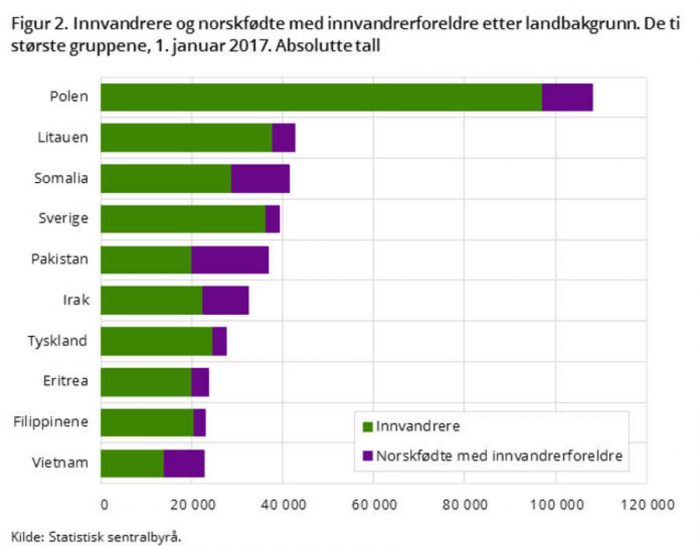
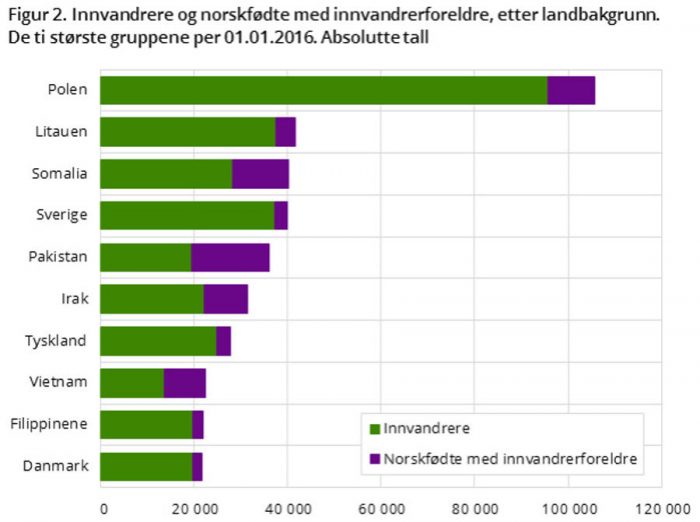
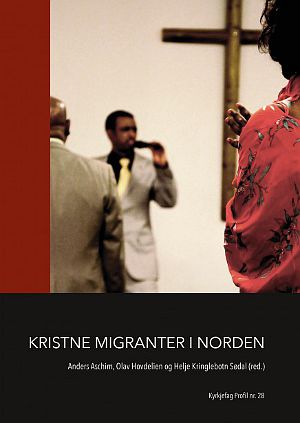 I en fersk bokutgivelse har en gruppe forskere forsøkt å bidra til ny kunnskap om kristne migranter i de nordiske landene. Vi er seksten forskere fra hele Norden som har bidratt med delstudier som samlet har satt seg fore å undersøke hva en kristen bakgrunn og deltagelse i forskjellige kristne forsamlinger kan ha å si både for migranter, som individ og som grupper, i og for samfunnet som tar imot dem. Deltakerne er med i et forskernettverk for studium av kristne migranter som ble dannet i København i 2014. Forskningen rundt kristen migrasjon er kommet lenger i Sverige og Danmark enn her til lands. Dette har vi som norske deltagere i nettverket kunnet trekke veksler på. Resultatet er blitt boken «Kristne migranter i Norden», redigert av religionsforskerne Anders Aschim, Olav Hovdelien og Helje Sødal (Kyrkjefag profil, Portal forlag, 2016). …
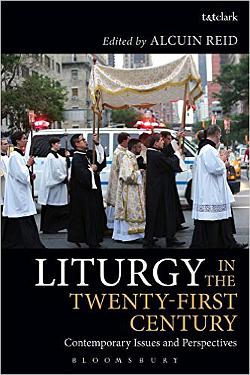 Dette blir siste bok jeg får tid til å lese denne vinterferien (på Gran Canaria), i morgen reiser jeg tilbake til Oslo og mitt vanlige arbeid. Bokas fullstendige tittel er Liturgy in the Twenty-First Century, Contemporary Issues and Perspectives, og den er en samling av foredragene som ble holdt på konferansen Sacra Liturgia USA 2015 –
  … The appearance in English of Msgr Giampietro’s book is long overdue. It details the involvement in and contribution to liturgical reform by Father Fernando Antonelli OFM (created Cardinal in 1973) from the 1940’s until 1970, publishing for the first time Antonelli’s personal writings as well as archival material from the Commissions on which he served. …
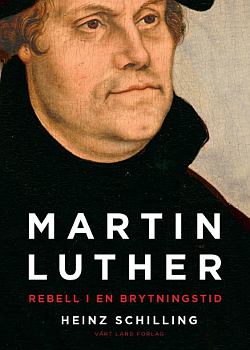 Martin Luther (1483–1546) har spilt en avgjørende rolle i brytningen mellom middelalder og moderne tid i Europas historie. Som ung munk utfordret han keiseren, kirken og paven, fordi han ønsket en forandring av kristendommen. Til tross for en voldsom kamp lyktes han ikke å reformere katolisismen. Resultatet ble et nytt kirkesamfunn og et omtegnet Europakart.
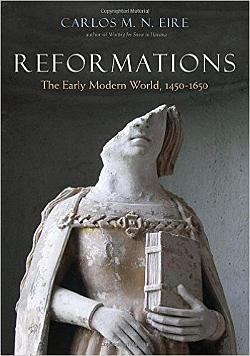 Nå har jeg i seks hele dager lest boka Reformations: The Early Modern World, 1450-1650, av Carlos Eire, og kommet til side 450 – og har da bare litt over 300 sider igjen, pluss nesten 150 sider noteapparat, bibiografi o.a. De siste 100 sidene har vært en svært grundig og interessant framstilling av den katolske motreformasjonen – jeg visste f.eks. ikke at Hl Carlo Borromeo to ganger ble forsøkt skutt/drept av sine motstandere, da han svært ivrig prøvde å reformere erkebispedømmet Milano rett etter konsilet i Trento.