Når vi feirer den tradisjonelle latinske messen er det stadig noen som spør hvordan man ksla oppføre seg i messen – stå, sitte, korse seg etc. For å finne ut dette, er det vel mest fornuftig å se hvordan man gjorde dette da denne messen var i vanlig bruk. Jeg viser derfor til boka: KATOLSK PRAKSIS, aV D. J. BOERS O.F.M. – ST. OLAVS FORLAG OSLO 1945 . Der tar jeg med et sitat fra Kap. 08: Alterets hellige sakrament:
Hvilke seremonier skal du utføre under messen?
Når presten tar til med trinnbønnen, gjør du sammen med ham andektig korsets tegn. Ved begynnelsen av dagens evangelium står du opp, legger venstre hånd på brystet og gjør med den høyre hånds tommelfinger – idet du holder de andre fingre utstrakt – et lite kors på pannen, på munnen og på brystet. Samtidig kan du be Gud om nåde til å fatte Hans ord med din forstand, å bekjenne det med munnen og til trofast å bevare det i hjertet. Det samme bør du gjøre straks før presten leser evangeliet fra prekestolen.
Når Jesu hellige navn nevnes, og når «Gloria Patri» eller «Ære være Faderen» blir bedt eller sunget, bør du ærbødig bøye ditt hode. Under «Credo» eller trosbekjennelsen skal du stå – i alle fall, når den synges i høymessen.
Under forvandlingen skal du ærbødig bøye ditt hode, men du bør se opp når den hl. hostie og kalken løftes til tilbedelse. Be da sakte for deg selv, i ydmykhet og troens ånd: «Min Herre og min Gud».
Ved kommunionen, når ministranten ringer tre ganger til «Domine non sum dignus», slår du deg tre ganger for brystet idet du ber: «Herre, jeg er ikke verdig at Du går inn under mitt tak, men si kun ett ord, så blir min sjel helbredet.»
Når presten på slutten av messen velsigner de tilstedeværende, kneler du, bøyer ditt hode og gjør samtidig korsets tegn.
Ved messens siste evangelium står du opp og gjør et lite kors på pannen, munnen og brystet som ved det første evangelium. Hvis messens siste evangelium er begynnelsen av Johannesevangeliet, – og det er det som oftest – kneler du sammen med presten ved ordene: «Og Ordet er blitt kjøt», og reiser deg straks opp igjen. Det er derfor feilaktig å forbli knelende fra disse ord av.
Etter den stille messe blir det alltid bedt noen bønner på morsmålet. Du må be disse bønner sammen med de andre som er til stede. La denne bønn være mer enn en mumlen som ingen kan høre. Be ihvertfall så tydelig at du klart kan høre og forstå dine egne ord.
Ved den stille messe skal du, om mulig, helst knele hele tiden. Kun ved evangeliet står du opp. Skulle du ha vanskelig for å knele hele tiden, kan du sitte mellom evangeliet og sanctus samt etter kommunionen like til velsignelsen blir gitt.
Ved høymessen kneler du, når presten ber eller synger, og du sitter når presten sitter, samt under prekenen. Du kan også sette deg under offertorium inntil presten begynner prefasjonen, samt etter prestens kommunion til han meddeler velsignelsen.
Ved levittmessen. Når messen forrettes av en prest med to geistlige som assistenter – selebrant med diakon og subdiakon – kalles det en levittmesse. For denne gjelder de samme regler som for en alminnelig høymesse. Kun bør du ikke stå når den forrettende prest leser messens første evangelium, men vente til diakonen synger det.
Ved pontifikalmesse. Når biskopen selebrerer høytidelig, kalles det en pontifikalmesse. Her gjelder det samme som ved en levittmesse. Når biskopen går gjennom kirken i høytidelig prosesjon både før messens begynnelse og etter dens slutt, mottar en hans velsignelse knelende.
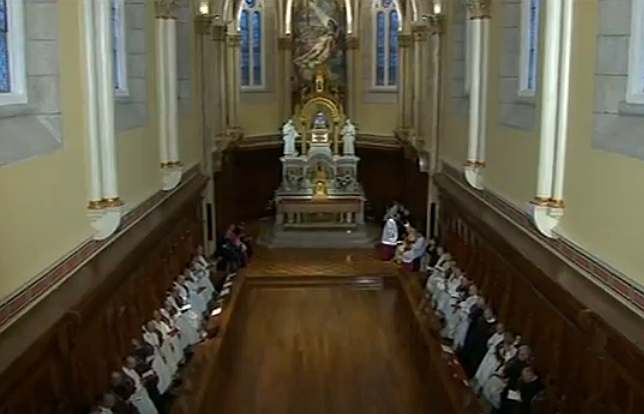 Pave Benedikt deltok nylig i en vesper i Chiesa della Certosa i
 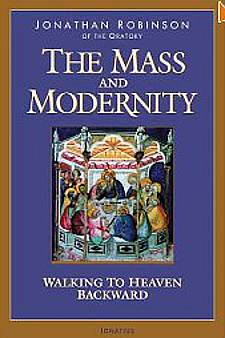 Det er boka «The Mass and Modernity» av P. Jonathan Robinson, som er grunnleggeren av «the Oratory of St. Philip Neri» i Toronto, Canada. Han var tidligere filosofi-professor ved McGill Universitet i Montreal. Derfor er han «well-qualified to write a book on the relationship between the Catholic Mass and modern philosophy. His book is a history of modern philosophy from the point of view of its effects on theology and religious practice, a primer on the traditional theology of the Mass, a critique of much modern liturgical practice on the basis of that theology, and a set of recommendations for reform of the liturgy.»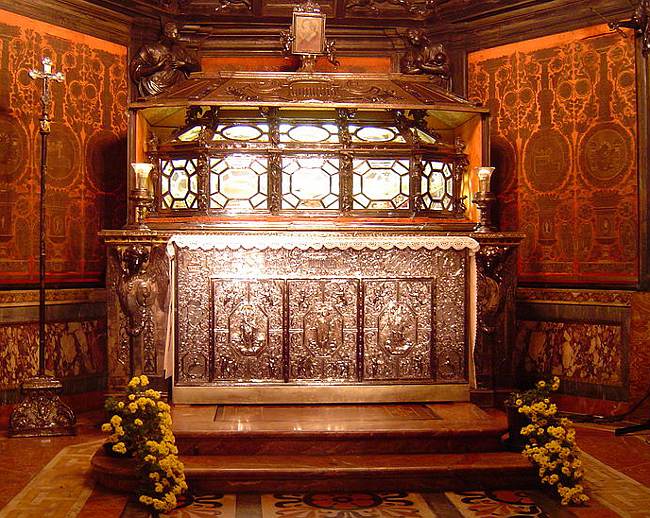
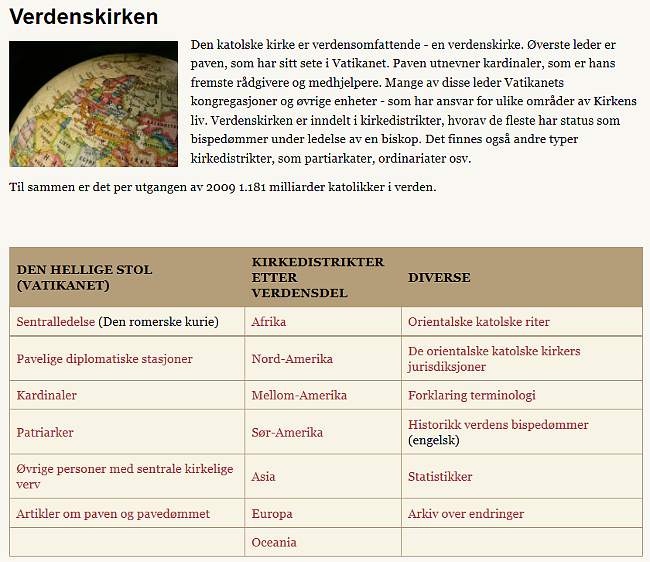
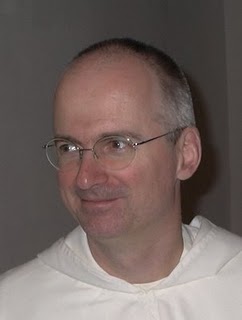 21. mars i år hadde jeg og ganske mange andre katolikker gleden av (her i Oslo) å høre flere foredrag av den kjente dominikanske teologen p. Charles Mororod. Han er nå blitt utnevnt til biskop i
 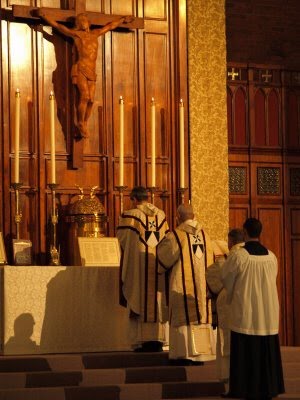 Det har dukket opp spørsmål om den tradisjonelle dominikanske liturgi, om og hvor den brukes i vår tid. Jeg har hørt at noen (sannsynligvis ganske få) personer har bedt om at den kan brukes også i St Dominikus her i Oslo, men så langt har det ikke skjedd (så vidt jeg vet). Jeg vil her vise til en artikkel om dette skrevet av Fr. Augustine Thompson, O.P., professor ved the Dominican School of Philosophy and Theology i Berkley, California –