Pave Benedikt i Jordan
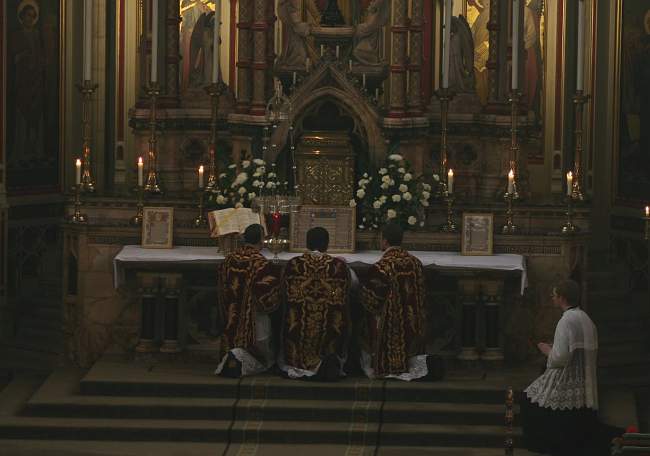
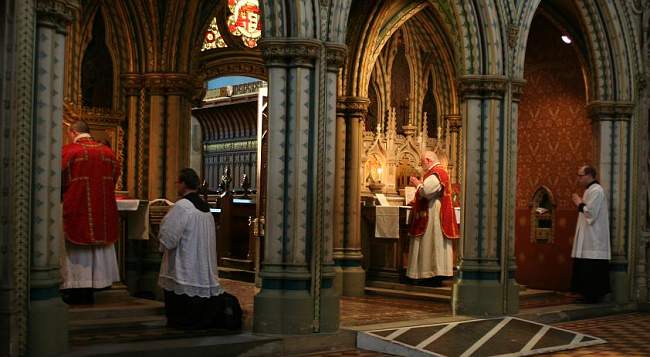
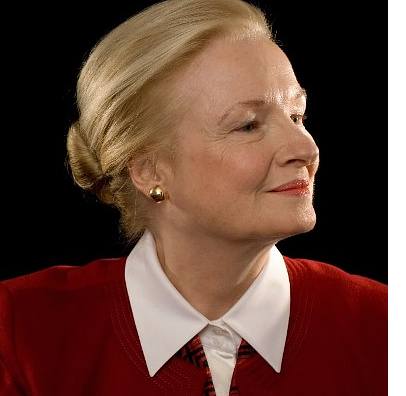
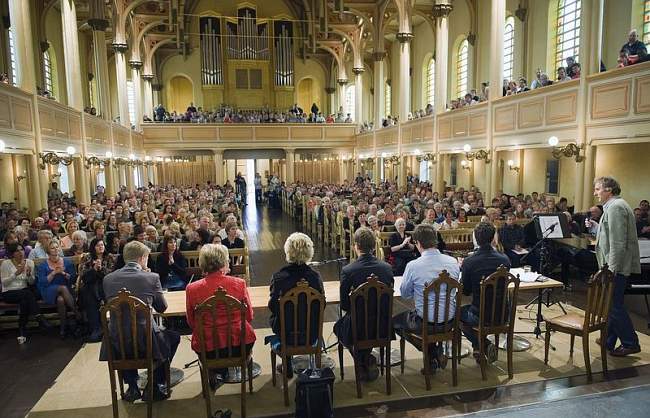
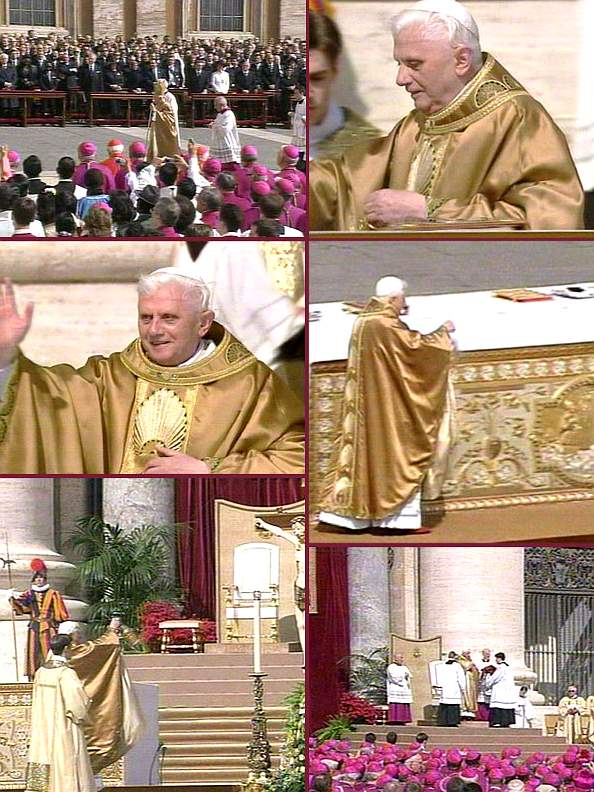
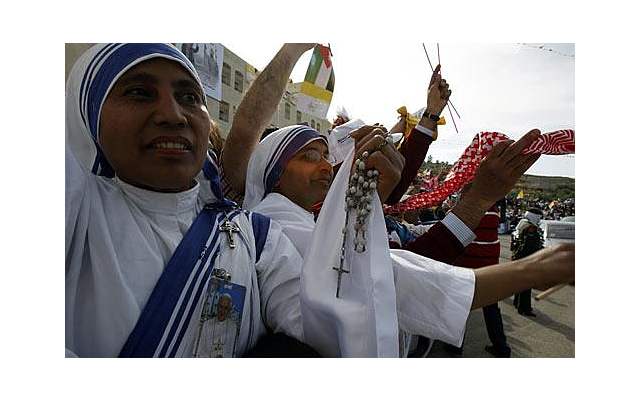
Bildene (fra Vårt Land) under viser pave Benedikts første dag i Jordan, der han fikk en svært varm velkomst.
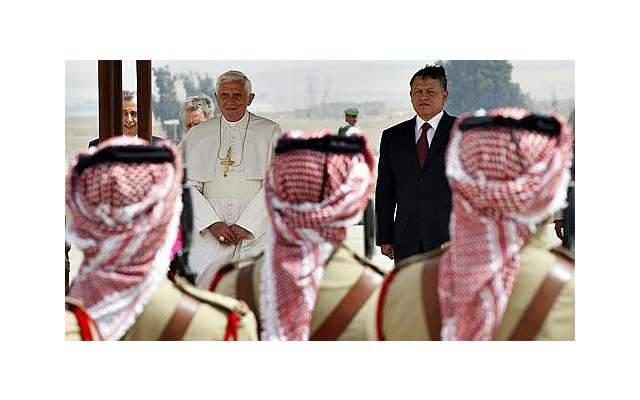
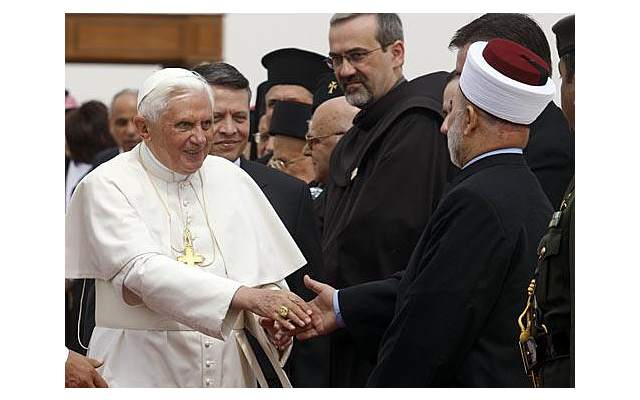
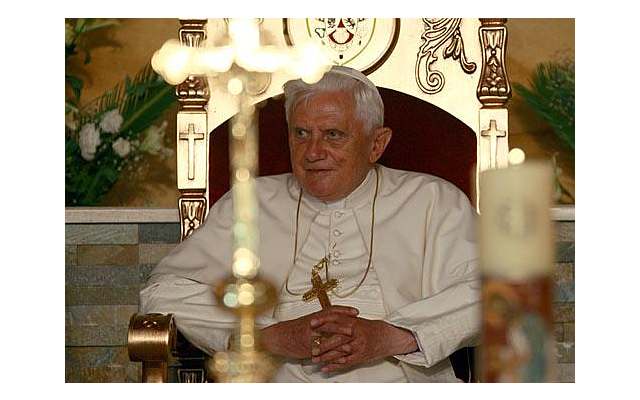
John Allen skriver at mens pave Benedikt skal være tre dager i Jordan på denne turen, var pave Johannes Paul der bare 24 timer, da han besøke Midt-Østen i år 2000. Islam er nemlig blitt mye viktigere på disse ganske få årene, av to grunner: Two epochal events have combined to propel Islam to the forefront of Catholic consciousness. In short-hand fashion, one might call them 9/11 and 9/12.
The first refers to the terrorist attacks of Sept. 11, 2001, and the terrifying prospect of a global conflict between Islam and the West they seemed to herald. The second evokes Benedict XVI’s famous speech at the University of Regensburg, delivered on Sept. 12, 2006. On that occasion, Benedict cited a Byzantine emperor to the effect that Muhammad, the founder of Islam, brought «things only evil and inhuman, such as the command to spread by the sword the faith he preached.» The speech set off a firestorm which had the paradoxical effect of both disrupting, and yet also energizing, Catholic-Muslim relations.
Benedict’s trip, therefore, isn’t a photocopy. It’s an original, the first papal voyage to the Holy Land in which attention to Islam doesn’t take a back burner to other priorities, above all the relationship with Judaism.
The pope struck a note of Christian-Muslim harmony immediately this afternoon, expressing «deep respect for the Muslim community» during a brief welcoming ceremony at Amman’s Queen Alia International Airport. …