
Enda strengere kommentarregler hos Rorate Cæli
Jeg skrev litt før jul at bloggen Rorate Cæli hadde slettet et helt innlegg og alle kommentarene pga altfor mange hatske kommentarer. Men de har likevel ikke blitt kvitt kommentarproblemene, og skrev i et nytt innlegg i går:
We are trying to improve the general tone of the comments in this web log. …. One of the main purposes of this web log has always been to show that we, Traditional-minded Catholics, can be equally firm and balanced in our views. If you are a regular commentator and wish to help us, please do not post again comments that were obviously blocked or deleted. If they were blocked or deleted, there was a reason for it – and two of the main reasons are to avoid scandal to other readers and to improve the tone. …
Og i en av kommentarene til dette innlegget skriver en prest:
I am a traditional priest who has said only the old Mass for over 20 years. I consider this site to be the best news and most balanced presentation in what we fondly call «Traditon». There are two sides though. The posts bear the news which is reliable … The darker side of Rorate lives in the comments section. Some comments are simply too shameful for open Catholic participation; it is an area that is certainly not safe. We are responsible for everything we write. I fear for the writers of those comments and I fear for the readers even more.
… Some months ago I was sincerely sorry to hear several traditionalists say: «I don’t go to Rorate Caeli anymore». Reasons: the tone of bitterness and insufficient support of the Holy Father when he made an appointment or decision we didn’t understand.
I look to Rorate for the news. It is the only Internet site that I go to regularly that is why I was so sorry to learn that friends had stopped reading it. I find it too difficult to find my way around Fr.Z’s good blog so I wait for someone to tell me anything newsworthy form there. I found when it began and stay with it. I will sing an Alleluia even during Lent if the site loses its bitterness and shows greater support for our common Father.


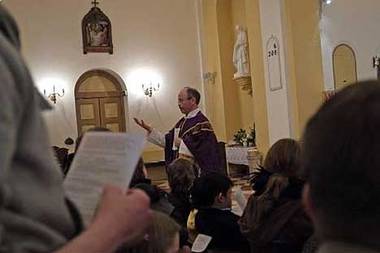
 Polycarp was a disciple of the Apostle John, and was consecrated by him Bishop of Smyrna. He was reckoned the chief of all the Christians of Asia, because he had been taught by several of the Apostles, and other persons who had seen the Lord. During the reign of the Emperor Antoninus Pius, and while Anicetus presided over the Church of Rome, Polycarp came thither to discuss some questions regarding the time for observing Easter. He found some heretics at Rome, who had been led astray by the doctrine of Marcion and Valentine, and brought back many of them to the faith. One day Marcion met him by accident, and said to him Do you recognise me? whereto he replied I recognise the devil’s eldest son. Some time after, in the reign of Mark Antonine and Lucius Aurelius Commodus, during the fourth persecution since Nero, when the Pro-consul was ruling in Smyrna, the whole population being assembled in the theatre, clamoured against Polycarp, and to please them he was burnt. He wrote an extremely useful Epistle to the Philippians, which is publicly read in the Churches of Asia even to this day.
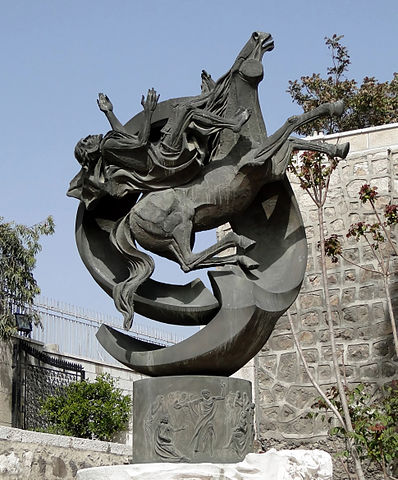 (Statuen til venstre står i Damaskus.) Men Paulus’ omvendele er i den tradisjonelle kalenderen bare en 3. klasses fest (dvs. minnedag), mens den i den nye kalenderen feires som fest, og i morgendagens Matutin leses bare hans omvendelse fra Apotl.gj. 9, ikke noe om ham fra kirkefdrene e.l.
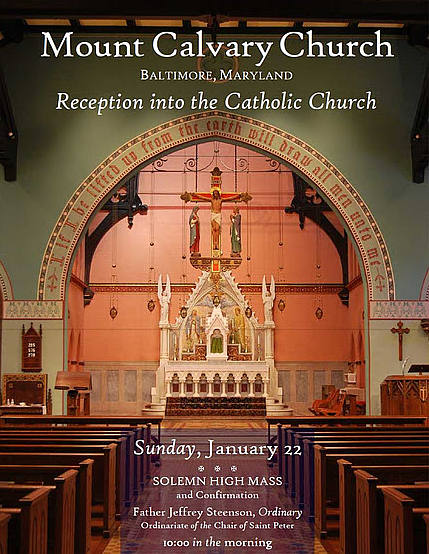
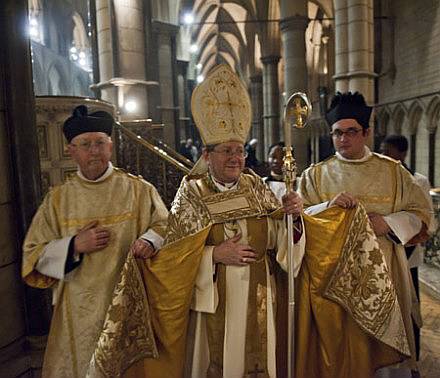
 At Rome, under Symphronius, Prefect of the city, the holy Virgin and martyr Agnes. She was cast into the fire, but the fire died out at her prayer, and then she was smitten with the sword, (in the year 304.) Blessed Jerome writeth concerning her. The life of Agnes hath been praised in the writings and in the tongues of all nations, and most chiefly in the churches. She overcame not only the tyrant but also the weakness of her own age, and hallowed by martyrdom the title of virgin.
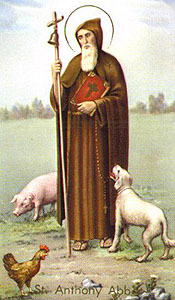 I Italia er den hellige Anton fortsatt en populær helgen, og mange av de gamle tradisjonene – med bl.a. velsignelser av dyr – lever fortsatt.