Jeg ble for noen uker siden intervjuet av tidsskriftet Fast Grunn, som ville utgi et nummer om kirkelig splittelse. Her er intervjuet etter at det ble skrevet ut og korrigert litt av meg selv:
Kirken har en lang historie med splittelser bak seg. Noen av disse splittelsene er leget, mens andre vedvarer. Ulike retninger ser svært ulikt på hverandre. Fast Grunn snakket med representanter fra to av de eldste kirkene – Den romersk-katolske kirke og Den ortodokse kirke.
Oddvar Moi, prest i Den romersk-katolske kirke
Hvordan forholder den romersk-katolske kirke seg til de mange splittelsene vi ser i kristenheten? Hva er deres selvforståelse i dette bildet?
Vi katolikker regner kirken som udelt fram til skismaet i 1054 og ser på de ortodokse som like gamle og tradisjonelle. Det vi mener er det mest avgjørende punktet overfor de ortodokse handler om anerkjennelsen av pavens overordnede posisjon.
Når det gjelder reformasjonen i vest, er vi mer kritiske. I et dokument fra Vatikanet i 2000, Dominus Jesus, ble det blant annet slått fast at vi vi stiller krav til at en kirke har et utbygd episkopat for å kunne anerkjennes som fullt ut en kirke. De som ikke har et ordentlig bispeembete – med den apostoliske suksesjon – kan vi ikke kalle kirke, men heller kirkelignende trossamfunn. Vi anerkjenner i denne sammenheng den ortodokse ordinasjonen.
Hva er deres lære/oppfatning av spørsmålet om hvorvidt medlemmer av andre kristne kirkesamfunn kan oppnå evig salighet dersom de står utenfor den romersk-katolske kirke?
Her er dåpen aller viktigst. Men når katolikker er på sitt strengeste, vil vi si at en person som er fullt overbevist om at den katolske kirke er den sanne kirke, og likevel lar være å bli medlem, vil han ha et problem med sin frelsessak. Men i tilfeller hvor for eksempel en protestant ikke er overbevist om dette, men er døpt og tror på Gud, ja, da tror vi at han blir frelst.
Et annet spørsmål er de som ikke har hørt? Har de fått noen mulighet? Vi tror at slike personer vil på en eller annen måte få en mulighet til å komme inn i fellesskap med Jesus. Og i den sammenheng vil jeg understreke at det nevnte dokumentet, Dominus Jesus, tydelig fastslår at det er kun gjennom Jesus frelsen er mulig.
Hvordan forholder katolikker seg til henholdsvis orientalske (koptere, assyriske etc.), ortodokse og protestantiske kristne? Hvem står dere nærmest og hvem står dere lengst fra? Hvilke lærepunkter anses som viktigst og mest presserende å løse for å kunne komme nærmere hverandre?
I mange områder av Midtøsten og Etiopia finner vi gamle, orientalske kirker som står i fellesskap med paven og Den romersk-katolske kirke. I liturgien følger noen av disse mer eller mindre latinsk ritus (liturgi), mens de fleste følger ortodoks ritus av ulik art. Vi godtar også at de følger ortodoks dåpspraksis i stedet for latinsk, og gir konfirmasjon og kommunion sammen med barnedåpen. Disse kirkene har stor frihet og selvstyre, men felles for dem alle er at de er godkjent av paven og anerkjenner hans spesielle posisjon.
Når det gjelder de ortodokse ellers, er det punktet med pavens ledelse som vi ønsker at de skal endre.
De protestantiske kristne utgjør et større problem. Og dette er, som nevnt, særlig knyttet til kirkesyn og embetssyn. For oss er den apostoliske suksesjon veldig viktig. Det handler om overgivelse av myndighet og det handler om at det er knyttet ulik myndighet og ulike oppgaver til embetene i hierarkiet. Ingen kan ordinere uten en biskop, og vi kan ikke feire nattverd uten en prest.
Det økumeniske arbeidet viser også en viss differensiering. Man tok først, i 1963 et møte med de ortodokse, der fordømmelsene ble trukket tilbake. Deretter fulgte anglikanerne og siden lutheranerne, hvor særlig felleserklæringen om rettferdiggjørelsen var viktig. Siden har vi også ført samtaler med andre protestanter. Da mormonerne henvendte seg, ble det bl.a. erklært at deres dåp ikke er gyldig. Dette skyldes mest at de ikke har dåp i Faderens, Sønnens og Den hellige ånds navn.
Hvordan vil du fra et katolsk perspektiv vurdere uenigheten i Den norske kirke om homofil vigsel? Hvordan ville en slik diskusjon sett ut blant katolikker? Ville det ført til brudd/ splittelse/ ekskommunikasjon, eller har dere en struktur/organisering som gjør det mulig å leve med store spenninger?
En viktig forskjell er at verken prester eller lekfolk ville hatt noe med debatten å gjøre. Det foregår på helt andre nivåer, blant biskopene.
I selve homofilisaken vil vi også argumentere annerledes og legge naturretten til grunn i større grad. For at et ekteskap skal kunne inngås etter katolsk syn, må ekteparet si seg villige (og ha mulighet) til å motta barn.
Et annet eksempel kan være vielse av gjengifte. Ingen katolsk prest vil på eget initiativ vie en fraskilt, ganske enkelt fordi ekteskapet da vil være ugyldig. Gjengifte er kun lov dersom det første ekteskapet erklæres ugyldig. Det er en ganske lang prosess, via en kirkelig domstol (tribunal) at dette kan skje. Så det å presse gjennom forandring ved hjelp av ulydighet er mye mindre attraktivt.
I Den romersk-katolske kirke finnes det noen svært radikale grupper som kan gjøre ting som er langt over grensen for hva som er akseptabelt. Reaksjonen mot slike er i ytterste konsekvens ekskommunisering – at de stenges ute fra Kirkens kommunion.
 En presteblogger i England,
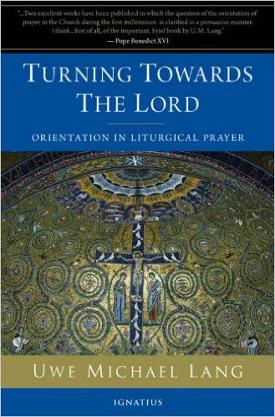 Den første av disse bøkene er Turning Towards The Lord av Fr. Uwe Michael Lang, og
 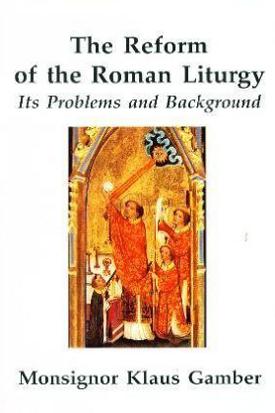 However, it would be wrong to align Gamber with traditionalists who draw a line at 1962, 1955, or even earlier, beyond which all change is anathema. Gamber is a critical liturgical historian, as shown by his precise and detailed discussion of the question of which way the liturgy should be celebrated, which comprises the second book in this volume.
 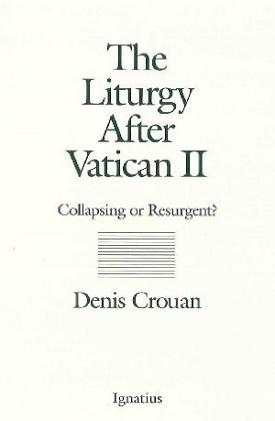 Den tredje og siste av disse kritiske bøkene er The Liturgy After Vatican II: Collapsing or Resurgent? av Denis Crouan.
 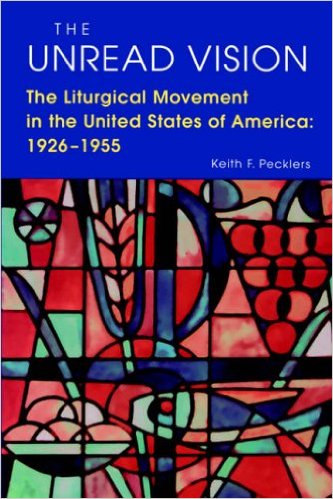 Etter å ha lest mange bøker de siste fem månedene som presenterer Kirkens liturgi de siste mange hundre (og opp til to tusen) år, leser jeg nå den siste uka av studiepermisjonen litt nyere stoff. Bl.a. denne boka som jeg allerede har lest en gang før (for 7-8 år siden): The Unread Vision: The Liturgical Movement in the United States of America: 1926-1955 av Keith F. Pecklers, SJ.
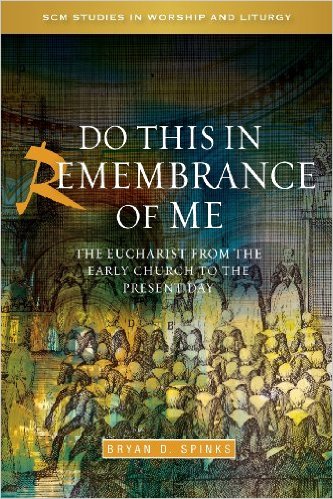 Do this in Remembrance of Me: The Eucharist from the Early Church to the Present Day av Bryan D. Spinks er den siste oversiktsboka over messens utvikling jeg har med meg, og jeg har lest den ferdig i dag. (De siste bøkene jeg har med meg på dette studieoppholdet handler mer om liturgisk utvikling de siste 100 år – og jeg kommer tilbake til dem.)
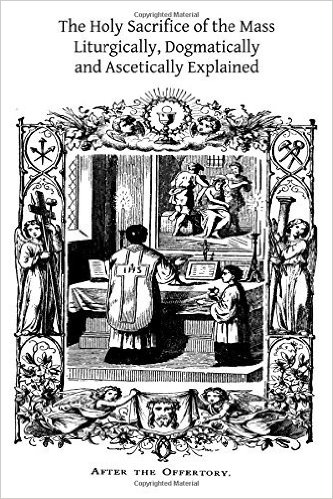 Den nest siste store oversiktboka over messens liturgi jeg har sett på er The Holy Sacrifice of the Mass: Liturgically, Dogmatically and Ascetically Explained av Fr Nicholas Gihr. Den ble utgitt i 1902, men er ny utgitt i nylig, min utgave (fotostatkopi) er fra 2013.
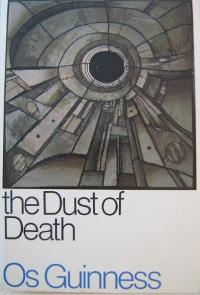 Boka The Dust of Death leste jeg på slutten av 70-tallet, og den gir en god oversikt over alle religionene og -ismene som hadde kommet til vesten på 60-tallet.
 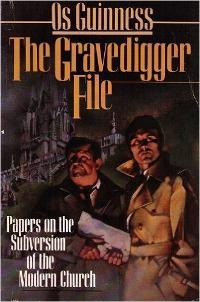 Boka The Gravedigger File var kanskje ikke så viktig for meg, men den peker på en del problemer som den moderne kristenheten har.
 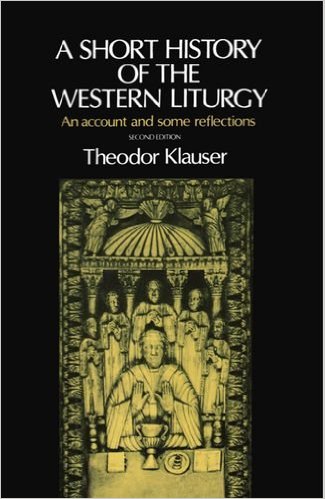 Jeg leser i dag ferdig Theodor Klauser: A Short History of the Western Liturgy. Det er ei nokså kort bok (litt over 200 s) og en del av stoffet er godt kjent for meg, men han skriver bl.a. en del interessante ting om hvordan Tridentinerkonsilets liturgireformer ble gjennomført. På
 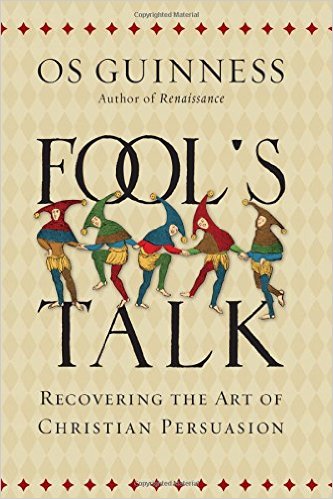 Os Guinness er en av personene knyttet til Francis Schaffer (som