De afrikanske kirkene viser styrke – hva betyr det for katolikker?
Nyheter fra Den anglikanske kirke denne uka, at the Episcopal Church of the USA (der de fleste anglikanere i USA er medlemmer) er blitt suspendert fra det anglikanske kirkefellesskapet for tre år pga sitt syn på og sine vedtak om homofile ekteskap, har en betydning også for katolikker – skriver Fr Dwight Longenecker (tidligere anglikansk, nå katolsk prest):
As Catholics view this debacle there are several signals we would be foolish to ignore. First, the Africans are here to stay and they mean business. The North-South clash over issues of human sexuality is as vocal, visible and vibrant in the Catholic Church as it is in the Anglican. Who can forget Cardinal Kasper’s arrogant dismissal of the Africans last Spring, and the Africans assertiveness when sidelined from the synod on the family? The African Anglican victory will doubtless strengthen the resolve of not only the other Anglican African bishops, but also their Catholic brothers in the ongoing battles for the family.
Secondly, the Africans’ victory in this matter will re-orient those in the North who adhere to Biblical Christianity. Historic Christians in both the Anglican and Catholic churches will look to the Africans as the defenders of orthodoxy. Weary of bishops who seem timid and spineless in the North’s culture wars, the Africans will appear to be the saviors of historic and Biblical Christianity. The Anglican Church of North America is already aligned with African bishops. As the lights go down on the Francis papacy, Catholics of the North may well look to the continent of Africa for the next successor of Peter.
Finally, there may be an ecumenical kickback from the Anglican decision. One of the problems that have bogged down Anglican-Catholic discussions is the fact that the ecumenical blabfests have been dominated by theologians from the North who are notoriously ambiguous in their thought and language. Too often “progress” has been made by both sides watering down their language sufficiently and making statements ambiguous enough that both sides can agree. The Africans bring a certain edge and clarity to discussions which are lacking in the more nuanced North. Ecumenical discussions are bound to take a fresh turn with the increasing dominance of the Africans.
Finally, this decision is the first solid sign that the long-predicted shift in global Christianity’s center of gravity from the disenchanted, decadent and declining North to the vibrant and growing South is now upon us.
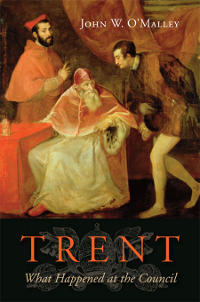 Jeg har nå lest ferdig Trent: What Happened at the Council, av John O’Malley, SJ, ei svært lærerik og god bok. Det er faktisk slik at dette er den første skikkelige gjennomgangen av konsilet i Trent. Vatikanet åpnet ikke alle arkivene fra Trent før ca 1880, og en stor gjennomgang av konsilet i fire bind fra 50-tallet er nesten ikke blitt oversatt til andre språk (bare bind 1 og 2 til engelsk).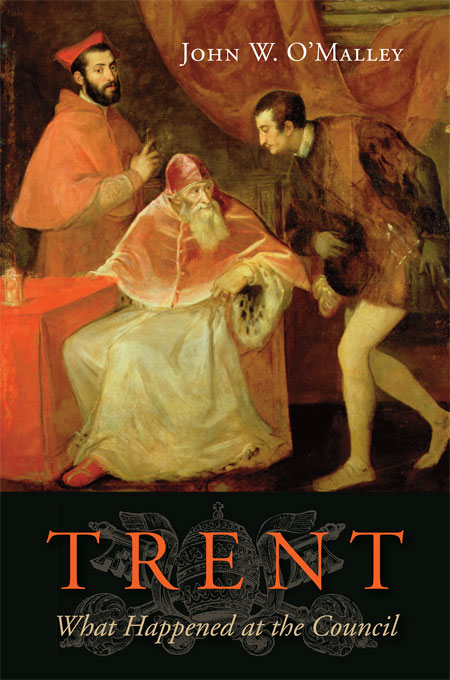
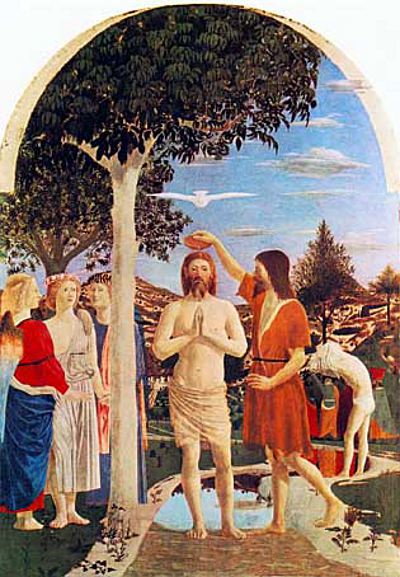
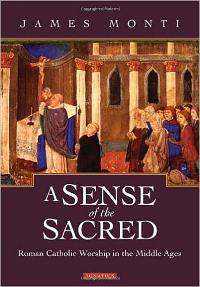


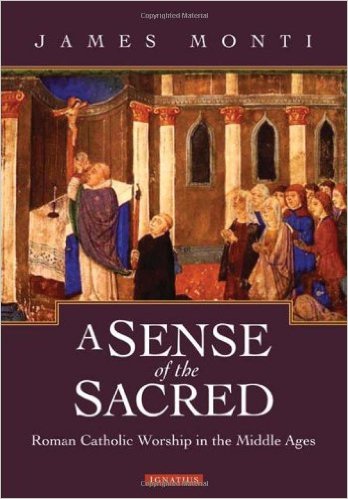 Jeg har startet på et ganske stort verk (650 s), om katolske liturgier (både messen og andre liturgier, dåp, konfirmasjon etc) i middelalderen: A Sense of the Sacred: Roman Catholic Worship in the Middle Ages, av James Monti.
 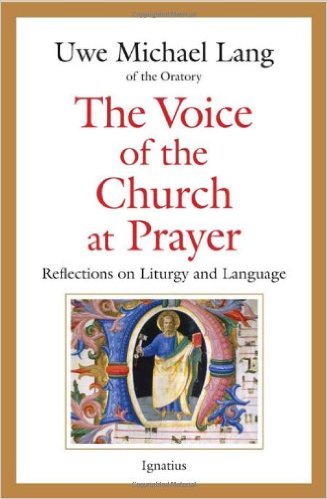 De to bøkene jeg nettopp har lest av Lang er The Voice of the Church at Prayer: Reflections on Liturgy and Language og Signs of the Holy One: Liturgy, Ritual, and Expression of the Sacred. To gode bøker, men det er nokså korte (og for det meste enkle), så det var ikke så mye ny informasjon for meg i dem.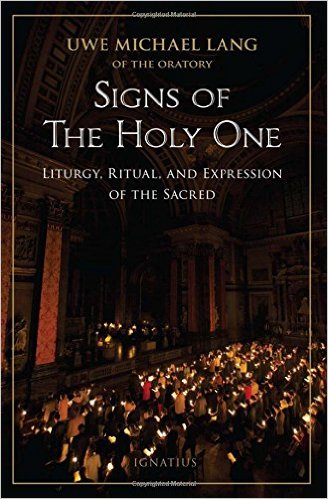
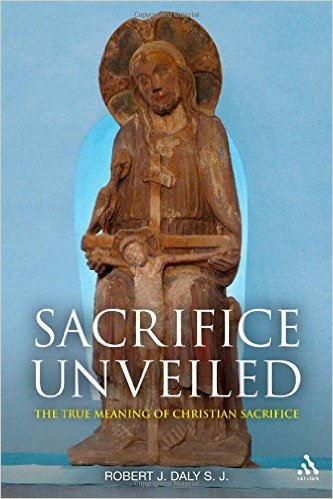 Jeg har nå lest ferdig ei bok jeg må innrømme at jeg ikke likte noe særlig. Det er Sacrifice Unveiled, The True Meaning of Christian Sarifice, skrevet av Robert Daly, SJ. Boka ble utgitt i 2009 men forfatteren har visst arbeidet med offer-temaet siden 60-tallet, og visst oppdaget mye nytt via fenomenoligiske og mimetiske teorier, og en grunnleggende forståelse av at offeret (og eukaristien) er Trinitarisk (hva nå det skal bety). I praksis fører det til at det er lite igjen av katolske forståelse av Kristi offer, og av eukaristien.