Mer om konvertitter
Det katolske presten Fr. Dwight Longenecker er selv kommet fra først amerikansk evangelikal, senere anglikansk tradisjon, og han svarer på kritikken mot konvertitter som for en tid tilbake ble presentert av italierne P. Antonio Spadaro, SJ (denne vurderer han som «dårligere enn middelmådig» og fra Prof. Massimo Faggioli (som skriver en del fornuftige ting). Men Longenecker svar bl.a. slik i en artikkel kalt Stop bashing converts:
What should not be overlooked is the immense price, especially the clergy converts pay to become Catholic. Most of them sacrifice their vocation and livelihood, taking their wives and families into the wilderness. Most will not be re-ordained as Catholic priests. There are few employment opportunities in the Catholic church and many of them have no other skills or training.
These are men and women with advanced degrees in every imaginable subject, who take whatever job they can get to feed their family. They take a step of faith to follow Christ’s call to join his church through amazing sacrifices that very few cradle Catholics would ever begin to contemplate. Their courage and commitment should not be ignored.
It must be admitted that a few converts have not only become traditionalists, but strident and vocal traditionalists. Their influence should not be judged by their volume. Their fanaticism has more to do with their temperament than the fact that they are converts. This is clear from the fact that there are many strident traditionalists who are cradle Catholics.
In my work with converts, I have, of course, come across those who want to become Catholics because they don’t like women priests or gay marriage, or the secular modernism that has swamped their Protestant denomination. But those who are simply reacting against elements they dislike in their own denomination usually do not manage to swim the Tiber.
Others, finding that there are feminist nuns, gay activists and modernists in the Catholic church are dismayed. When the aesthetes among them experience the brutal architecture, saccharine music and poor preaching of contemporary American Catholicism they often quietly return to their church of good taste.
When the zealous Evangelical Christians discover that the contemporary American Catholic church is full of lukewarm members who are more Italian or Irish than they are Catholic, they are disturbed. They were used to Christians being sold out for Jesus, and being members of a fired-up fellowship of Christian disciples.
What Faggioli misses is the core reason why we converted. There is a bottom line. We did not convert because we were miserable in our former church. Soon after I became a Catholic, someone asked, “Well, now that you’re Catholic do you like the Catholic Church?” I replied, “No. If I were joining a church I liked, I’d still be an Anglican. I didn’t join the Catholic Church because I liked it. I joined it because it is the true Church.”
While the cradle Catholic of a sophisticated disposition may be amused by such triumphalism, it remains true that we converted because we were convinced of the claims of the Catholic Church to be the foundation rock for Christian belief and practice. This doesn’t mean that we are all hard-line dogmatists, but it does mean that we believe there is a place to stand in the midst of the quicksand.
Some converts turn tail, but the vast majority who come into the Catholic Church stay put. They roll up their sleeves and get involved in their parish. Despite being marginalized, they have persevered and joined religious orders, been ordained, become theologians, Bible scholars, apologists, writers and journalists.
They have founded apostolates for evangelization and apologetics, worked to establish the Anglican ordinariate and formed organizations for the care of fellow converts. They have started schools, established ecumenical conversations on culture and politics, and formed apostolates to further peace, justice and defend human life….
Austen Ivereigh, som skrev den kritiske artikkelen mot konvertitter hos CRUX, har også skrevet en slags beklagelse, som ikke imponerer meg veldig mye.
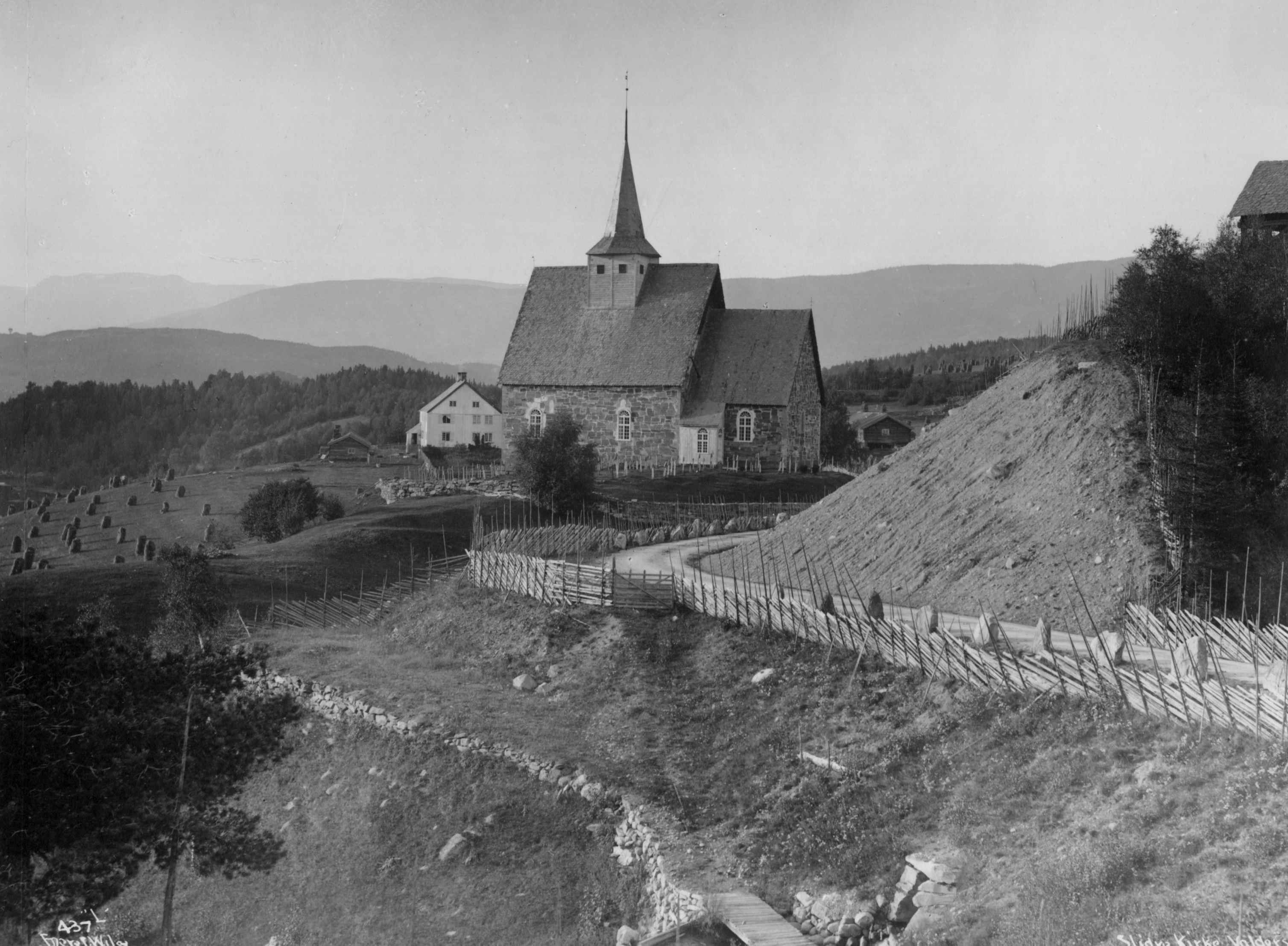
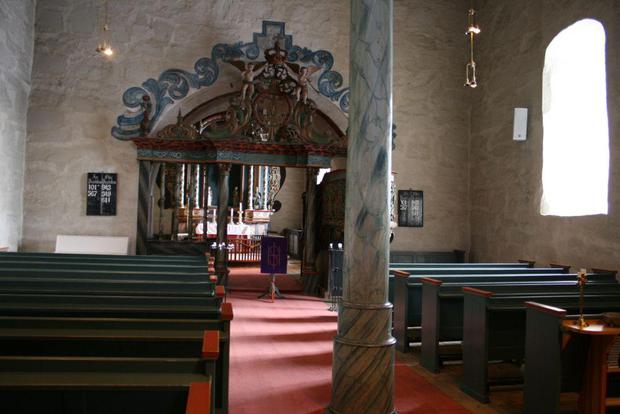
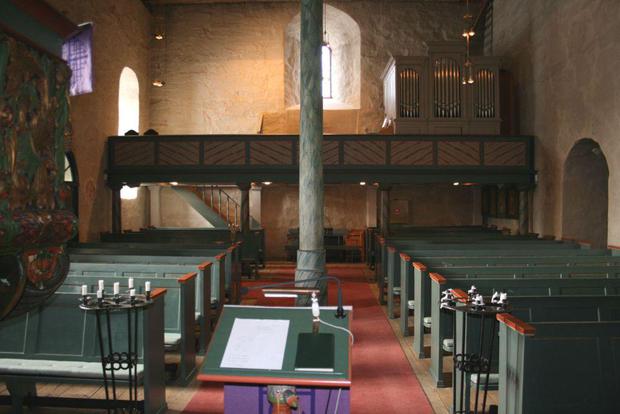
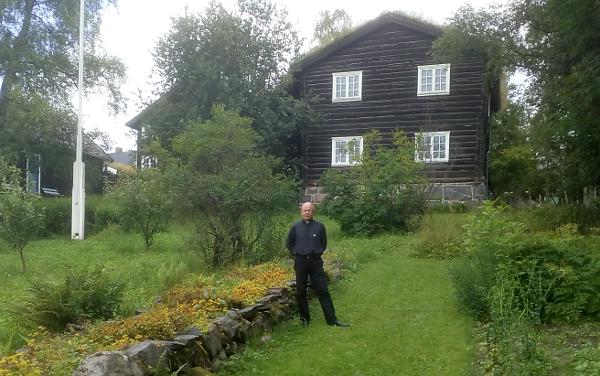
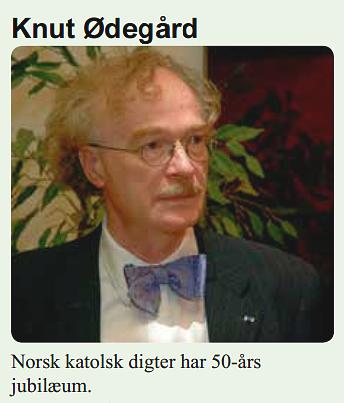 Knut Ødegård studerede teologi som ung. Hans plan var at blive præst i Den lutherske Kirke i Norge, ligesom sin morbror. Men to ting kom til at spænde ben for hans studier. For det første brugte han efterhånden mere tid på at skrive digte end på at læse teologiske bøger. Hans første digtsamling, “Drøymaren, vandraren og kjelda”, udkom, da han var 21 år. For det andet begyndte han efterhånden at nærme sig Den katolske Kirke. Selv formulerer han det sådan: ”Min plan var oprindelig at blive luthersk præst, men jeg blev i stadig stærkere grad tiltrukket af Den katolske Kirke og blev alvorlig i tvivl om, hvorvidt jeg havde en fremtid som præst – ja, som lutheraner. Dét var vel også med til at føre mig væk fra studierne, for det var jo tænkt som et præstestudium”.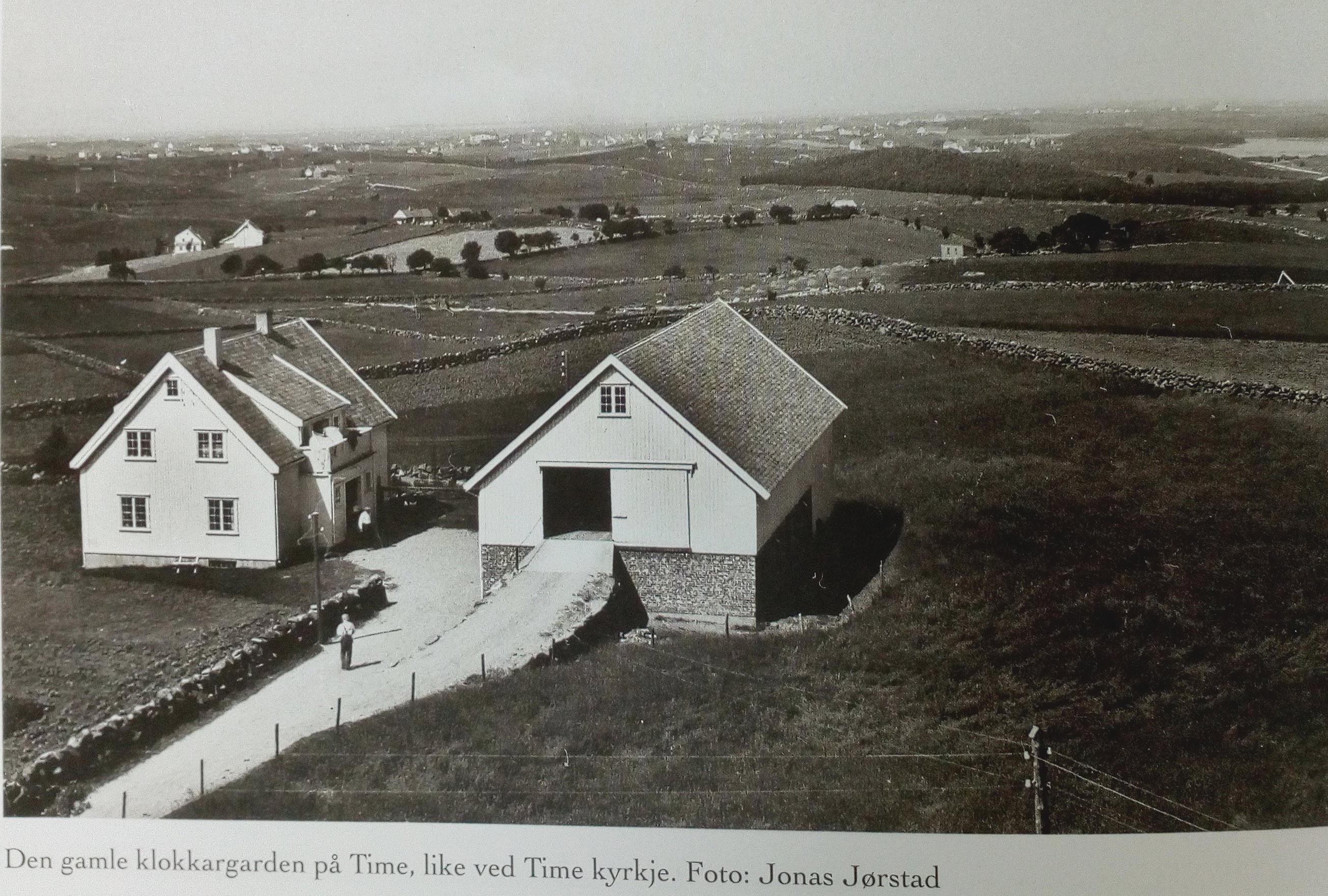

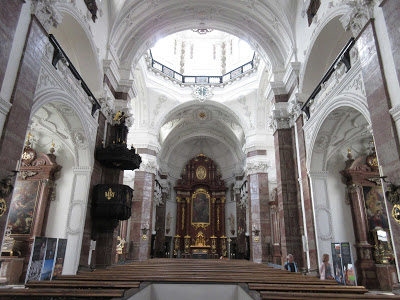
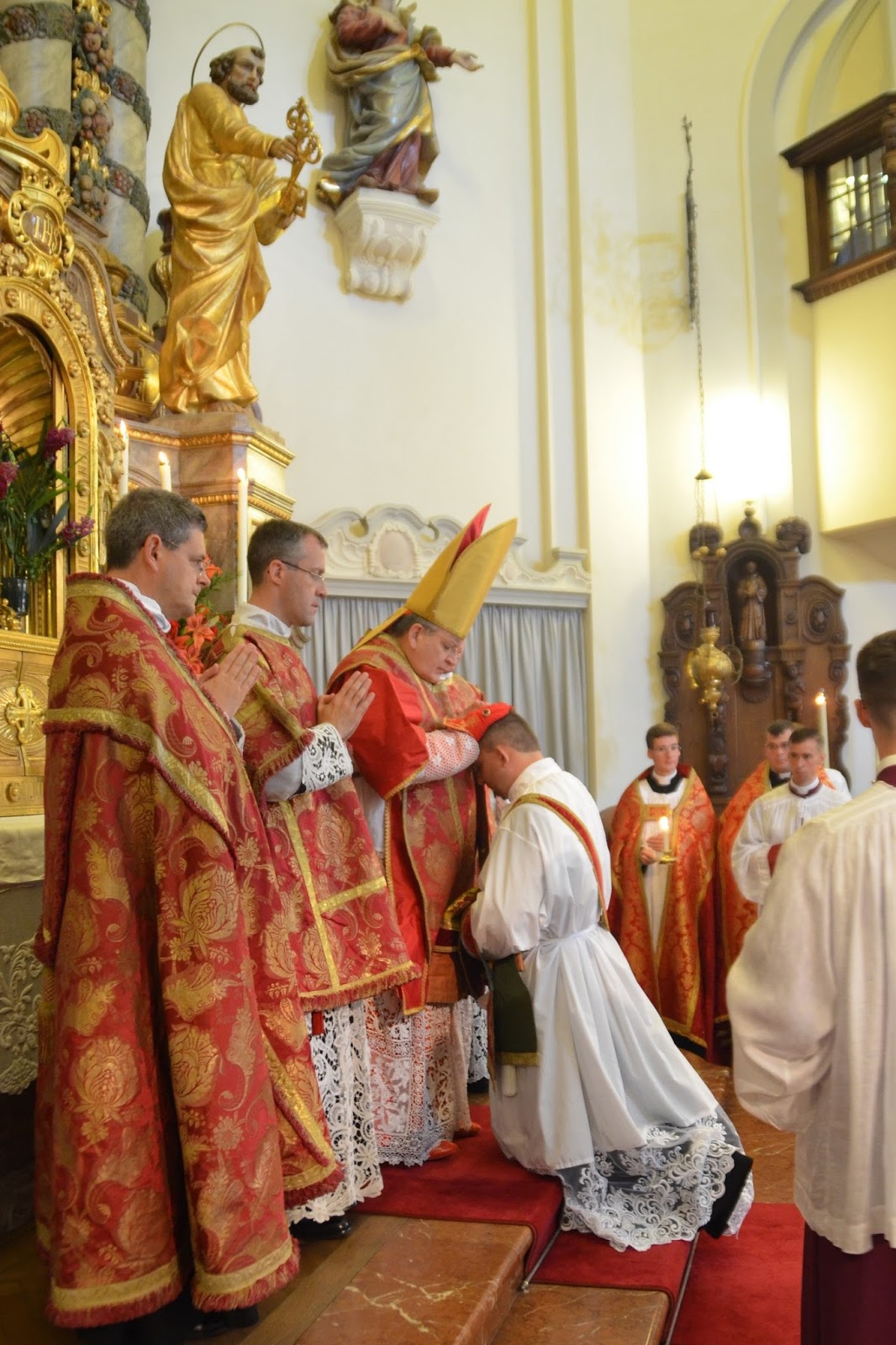
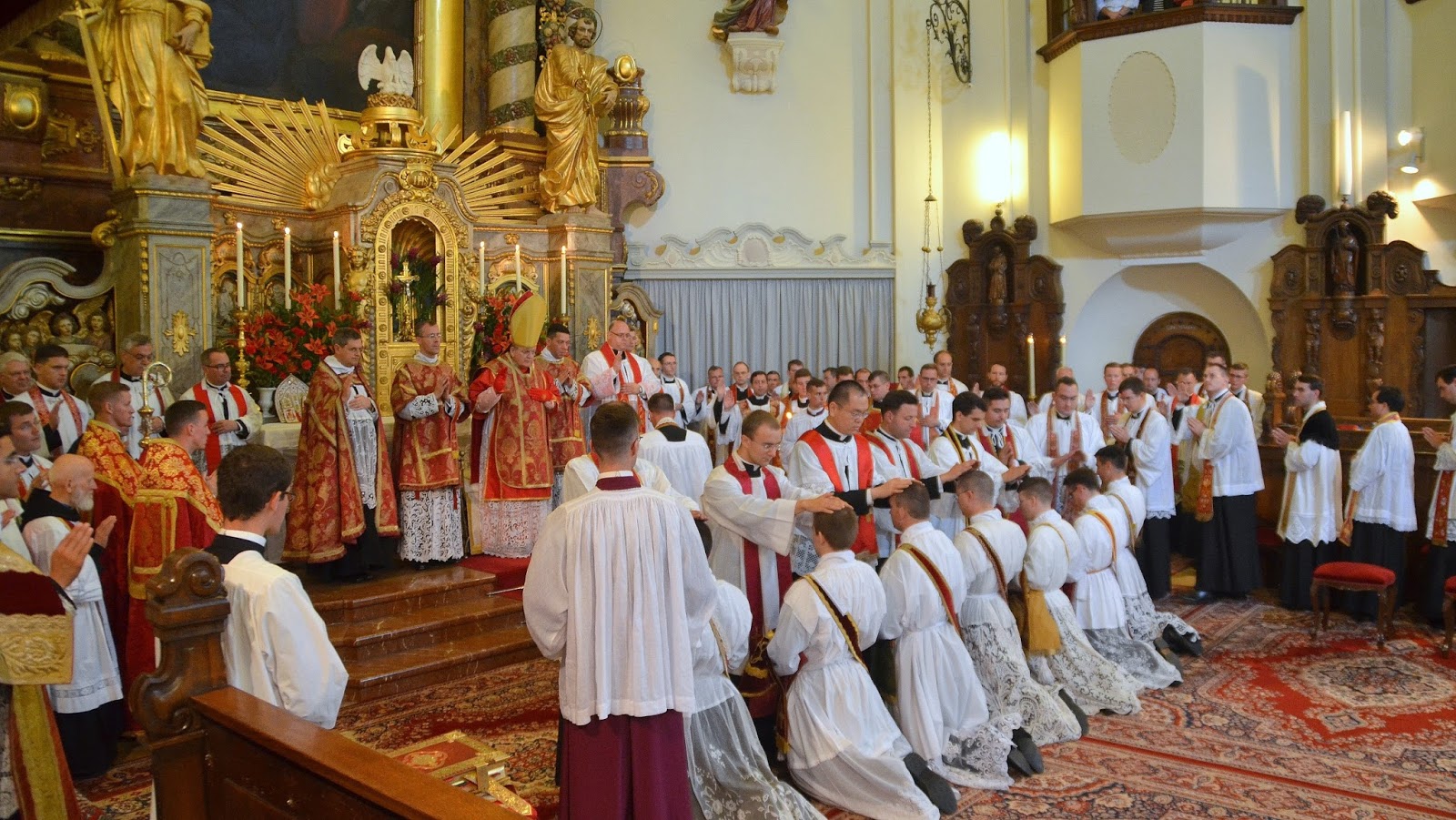
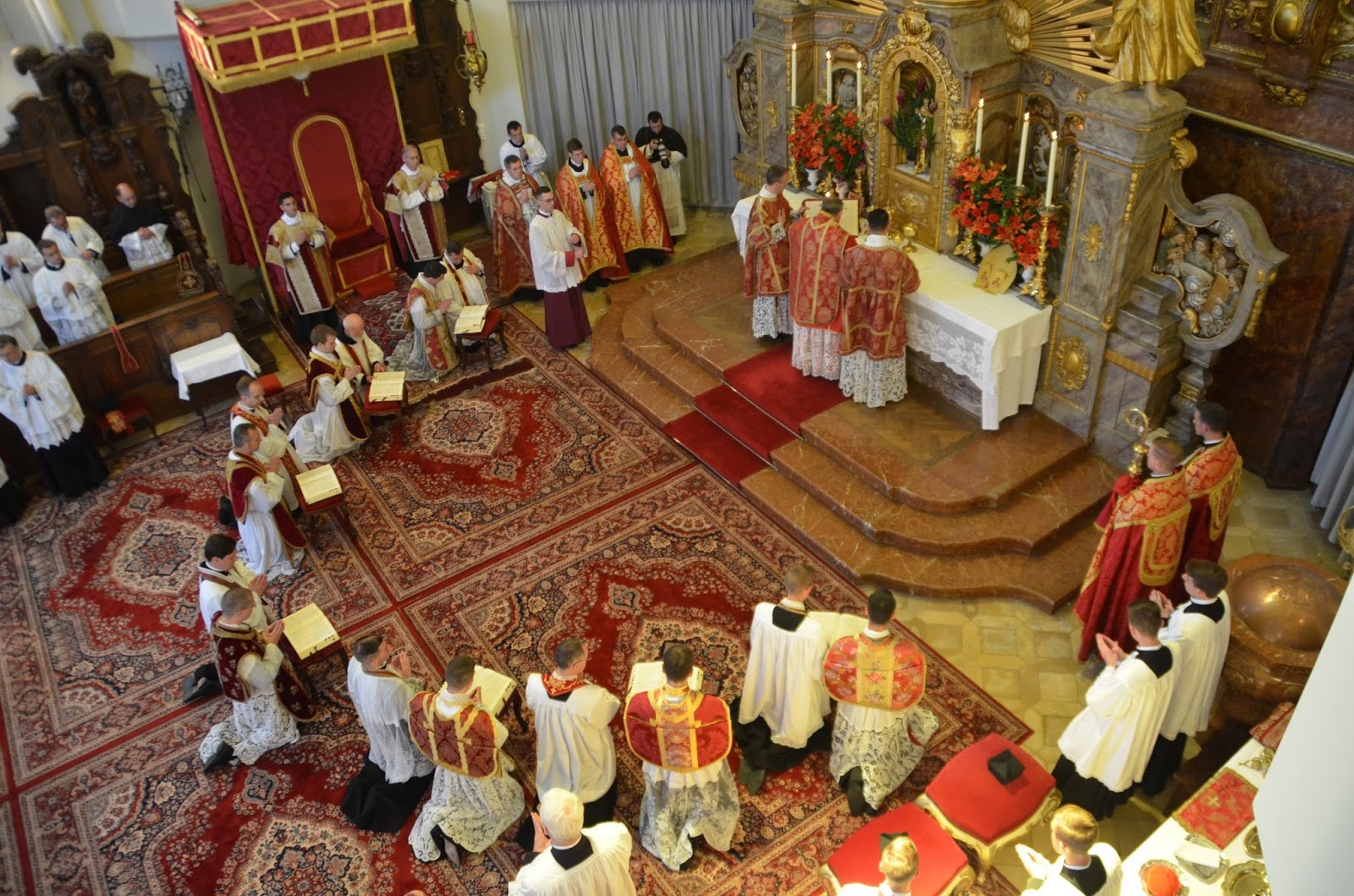
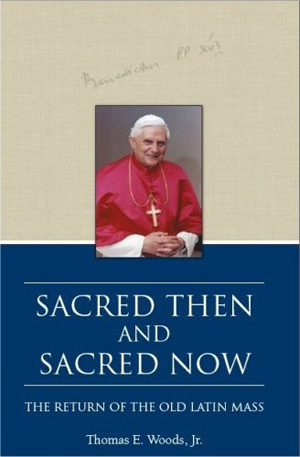 Det er i dag ti år siden pave Benedikt «frigjorde» den tradisjonelle messen (fem måneder sendere feiret jeg den første gang) og flere minnes dette i disse dager. Bl.a.