Jeg postet følgende innlegg på Verdidebatt for fire dager siden:
Sjokkerende forskjellsbehandling
Saken om registrering av medlemmer i Oslo Katolske bispedømme (OKB) begynte for snart to år siden, og det er helt klart at OKB ikke burde ha skrevet inn personer som medlemmer uten å ha vært helt sikre på at de virkelig var katolikker. Dette har biskopen og andre beklaget svært mange ganger, og man har også sagt seg villig å betale tilbake for personer som har blitt feilregistrert. Jeg og enkelte andre har regnet ut at dette kan bli ca 20 millioner kroner (10 m. til staten og ca 10 m. til kommunene), noen mener at beløpet må bli noe større, kanskje 25 til 30 millioner.
Men myndighetene (Fylkesmannen og Kulturdepartementet) nøyer seg ikke med beklagelser og tilbakebetaling av penger gitt til feilregistrerte, de insisterer på tilbakebetaling av støtte til alle medlemmer som ikke ble registrert på korrekt måte – men de presiserte ikke før i etterkant, i februar 2015, var som var korrekt måte. Samlet krav om tilbakebetaling (fra stat og kommune), inkl avskåret støtte for år 2015, er ca 110 millioner.
Når OKB i disse dager saksøker staten ved Kulturdepartementet, er det i praksis for et beløp på ca 90 millioner, som de mener de ikke behøver tilbakebetale. Og samtidig som OKB kreves for store pengesummer, vet staten – som alle informerte mennesker – at det har bodd langt flere katolikker i Norge enn de det er blitt betalt ut støtte til i den aktuelle perioden, 2010-15. Ja faktisk har dette vært tilfelle i alle fall fra 1980, og i dag regner man med 50 000 – 75 000 hittil uregistrerte katolikker i Norge.
I sin stevning av staten (som nylig ble offentliggjort) bruker OKB naturlig nok mye tid på å diskutere hvilke medlemmer som er støtteberettiget etter norsk lov. Lovens bokstav, sier de, snakker om hvor mange som «høyrer til» kirkesamfunnet, det er disse man skal motta støtte for. Først i andre omgang kommer spørsmålet om hvordan de som «høyrer til» skal registreres, og her har det vært mye uklarhet og ulik praksis.
Her legger stevningen stor vekt på at det her har vært en sjokkerende forskjellsbehandling av lutheranere og katolikker, for de nordiske folkekirkene har i svært mange år fått mye gunstigere ordninger enn katolikkene. Det har aldri blitt krevd at medlemmene i disse kirkene aktivt skal bli bekrefte sitt medlemskap, i mange år har man ikke en gang krevd at de skal oppgi navn på medlemmer som bor i Norge.
Dette spørsmålet ble tatt opp i 2004, og i stevningen beskrives det som da skjedde ganske detaljert. Departementet ønsket å fortsette en støtteordning som ikke baserte seg på medlemslister, men bare en prosentdel av alle innvandrere fra disse nordiske landene. Departementenes lovavdeling hevdet derimot at dette ikke kunne tillates – men OKB er etter flere henvendelser nektet innsyn i disse papirene – så de nordiske folkekirkene måtte etter dette levere inn medlemslister. Men disse listene skulle ikke basere seg på aktiv innmelding, bare en melding fra moderkirken om utflytting til Norge, og så sent som i februar 2016 skriver Kulturdepartementet at de fortsatt vil tillate disse kirkene å levere inn medlemslister uten aktiv innmelding – akkurat det de nekter oss katolikker.
OKBs stevning skriver nokså dramatisk om hvordan de opplever denne forskjellsbehandlingen:
» … Denne forskjellsbehandling er i seg selv ulovlig. Forholdet blir spesielt alvorlig ved at ordningen har vært praktisert i en årrekke og kommer til uttrykk som et ønsket forhold fra departementet ved flere anledninger, Fylkesmannens og departementets vedtak i saken kan ikke opprettholdes, med mindre man legger til grunn at forskjellsbehandling av protestanter og katolikker er tillatt. Det uttalte ønsket om forskjellsbehandling av protestanter og katolikker, og den faktiske gjennomføringen av en slik forskjellsbehandling, er uansett et alvorlig forhold som bør få konsekvenser uavhengig at denne konkrete tvisten om tilskudd for årene 2011-2015.»
Som siste punkt vil jeg nevne at stevningen påstår at to alvorlige saksbehandlingsfeil er begått, som også kan
gjøre Kulturdepartementets vedtak ugyldige. Man skriver:
«For det første anføres det at fylkesmannens vedtak med stor sannsynlighet kan ha blitt påvirket av at fylkesmannen valgte å politianmelde OKB på et tidspunkt forut for at OKB hadde redegjort grundig for relevante deler av faktum og juss. Det var etter OKBs oppfatning i strid med god forvaltningsskikk å gå til politianmeldelse på et så tidlig tidspunkt. …
For det andre anføres det at Kulturdepartementet inhabiliserte seg selv som klageinstans for vedtakene fra fylkesmannen gjennom å utarbeide rundskriv og instruks til fylkesmennene som inneholder detaljerte tolkninger av trossamfunnsloven rettet mot den aktuelle saken. Ettersom det helt sentrale tema for klagene nettopp var fylkesmannens rettsanvendelse, og ettersom departementet noen uker for vedtaket hadde instruert fylkesmannen om å legge til grunn denne rettsanvendelsen, innebar ikke klagebehandlingen en reell overprøving av fylkesmannens vedtak.»
Jeg håper man etter hvert kan komme til en løsning, der OKB betaler tilbake penger for personer som virkelig var feilregistrerte, men at staten gir slipp på nesten 100 millioner kroner de har krevd tilbakebetalt for personer som beviselig var katolikker og var bosatt i Norge i årene 2010-15.
Oddvar Moi
Katolsk prest, Oslo
————————————————————–
En litt kortere versjon av dette innlegget (jeg hadde selv sendt inn en kort og en lang versjon) ble trykket i Vårt Lands papirutgave i dag, tirsdag.
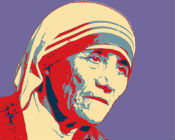 Which is just as well. In fact, Mother Teresa is of interest to me not because she was enlightened more than others on matters spiritual. On the contrary, my continued interest in her is explained particularly because she herself was in the dark all her life. Not many religious “professionals” would admit this “deficiency” as Mother Teresa did in her talks and writings to her spiritual directors. Honesty and integrity separate her from theological hypocrisy often manifested at institutional level.
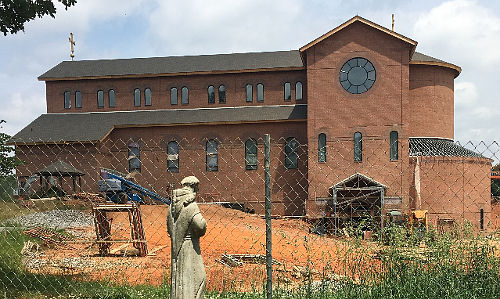
 … Mellom boligblokkene på Enerhaugen ligger et upåaktet storverk i norsk arkitektur: St. Hallvard kirke og kloster, tegnet av Kjell Lund i 1966. Bygningens eksteriør er lukket, formet som en hvilende kube. Tung og urokkelig står den rett på grunnfjellet, veggene er i grov tegl, vinduene er små glugger og inngangene er kilt inn som dype snitt i massen. Interiøret er omsluttende i form av en sylinder, med varmrøde teglvegger som kretser om rommet som i en hule, der lyset siver inn gjennom smale vertikalsnitt i overflaten. Taket er synkende og faller som en knyttneve ned i rommet i form av en omvendt betongkuppel, men stiger så igjen til den ene siden i retning av alteret.
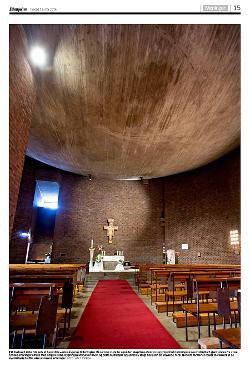 Alle disse trekkene er med på å tolke klosterets funksjon: Den lukkede kuben viser til munkenes avsondrethet fra utenverden, sylinderen til deres konsentrasjon om bønn og det synkende taket tolker himmelens tilstedeværelse, mens stigningen løfter blikket mot gudstjenestens fokus.