Tre bøker som er kritiske til deler av den nye liturgien
Denne siste studieuka leser jeg også disse tre bøkene (som jeg alle i større eller mindre grad har lest tidligere), bøker som alle er kristiske til liturgirevisjonen etter konsilet.
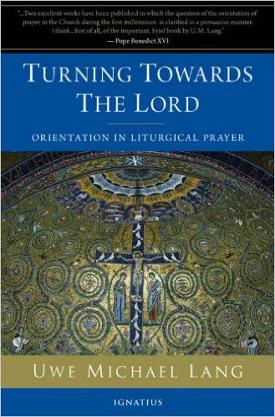 Den første av disse bøkene er Turning Towards The Lord av Fr. Uwe Michael Lang, og Amazon skriver om den:
Turning towards the Lord presents an historical and theological argument for the traditional, common direction of liturgical prayer, known as “facing east”, and is meant as a contribution to the contemporary debate about the Catholic liturgy. Lang, a member of the London Oratory, studies the direction of liturgical prayer from an historical, theological, and pastoral point of view. At a propitious moment, this book resumes a debate that, despite appearances to the contrary, has never really gone away, not even after the Second Vatican Council. Historical research has made the controversy less partisan, and among the faithful there is an increasing sense of the problems inherent in an arrangement that hardly shows the liturgy to be open to the things that are above and to the world to come. … Without claiming to offer major new insights, Lang carefully presents the results of recent research and provides the material necessary for making an informed judgment. It is from such historical evidence that the author elicits the theological answers that he proposes.
Den andre boka er The Reform of the Roman Liturgy: Its Problems and Background av Klaus Gamber. Om denne skriver Alcuin Reid på Amazon:
The news that this book has been brought back into print by Roman Catholic Books is very good news indeed, for it is a seminal work which has done much to expose the extent of discontinuity in the post-conciliar reform. It stands alongside Archbishop Bugnini’s own book, The Reform of the Liturgy, as essential reading – though Gamber is certainly the more accessible of the two.
Gamber’s book is in fact two books. The first examines the overall work of the changes made to the liturgy in the 1960’s. He sees the question of whether or not the changes were an organic development as crucial. His conclusions speak for themselves: «Obviously, the reformers wanted a completely new liturgy, a liturgy that differed from the traditional one in spirit as well as in form; and in no way a liturgy that represented what the Council Fathers had envisioned, i.e., a liturgy that would meet the pastoral needs of the faithful» (p. 100). Gamber is clear and unequivocal: a large mistake has been made with regard to the liturgy, unprecedented in the Church’s history.
However, it would be wrong to align Gamber with traditionalists who draw a line at 1962, 1955, or even earlier, beyond which all change is anathema. Gamber is a critical liturgical historian, as shown by his precise and detailed discussion of the question of which way the liturgy should be celebrated, which comprises the second book in this volume.
Gamber’s concerns are historical, doctrinal and pastoral. He readily accepts the appropriateness of vernacular readings, and even of the pruning of some of the later accretions to the Traditional Roman Rite (Psalm 42 from the prayers at the foot of the altar, the Offertory prayers, the last Gospel). These prudential decisions can be argued about, as they were at Trent. But he staunchly defends traditions integral to the Roman Rite throughout its history, e.g., facing eastwards and the Roman Canon, and deprecates «the cold breath of realism [that] now pervades our worship» (p.13).
Gamber speaks frankly of the destruction of the Roman Rite after the Council, the last example of which can be found in the Ordo Missae promulgated in 1965 as the reform called for by the Council. Significantly, Archbishop Bugnini dismissed this 1965 reform as insufficient because its alterations were merely «peripheral», insisting that «radical» changes were what was needed.
It is Gamber’s brave, loyal `critical traditionalism’ that gives such importance to his writing. His theses are well documented, and his research is impressive. One hopes more of his writings will be made available in translation.
 Den tredje og siste av disse kritiske bøkene er The Liturgy After Vatican II: Collapsing or Resurgent? av Denis Crouan. Om denne kan vi lese:
Crouan, the author of several studies on liturgical questions including the book The Liturgy Betrayed presents another penetrating work on the state of the Eucharistic Liturgy, the problems and errors that still exist, and how to correct these abuses. The responses Crouan has received to all of his writing and speaking on this topic from Catholics of every stripe show the weariness and confusion of many of the faithful regarding the Sacred Liturgy.
Crouan says that the great majority of Catholics need and want, not celebrations that are “pastorally correct”, but a Eucharistic liturgy that offers all the guarantees of Catholicity and leads them to an authentic contemplation of the mysteries being celebrated. He expresses the urgency needed to examine what is going on in parish churches, and to clarify matters by acknowledging the liturgical errors in order to establish a greater fidelity to the real teaching of Vatican II and the Roman Missal.
 Etter å ha lest mange bøker de siste fem månedene som presenterer Kirkens liturgi de siste mange hundre (og opp til to tusen) år, leser jeg nå den siste uka av studiepermisjonen litt nyere stoff. Bl.a. denne boka som jeg allerede har lest en gang før (for 7-8 år siden): The Unread Vision: The Liturgical Movement in the United States of America: 1926-1955 av Keith F. Pecklers, SJ.
 Do this in Remembrance of Me: The Eucharist from the Early Church to the Present Day av Bryan D. Spinks er den siste oversiktsboka over messens utvikling jeg har med meg, og jeg har lest den ferdig i dag. (De siste bøkene jeg har med meg på dette studieoppholdet handler mer om liturgisk utvikling de siste 100 år – og jeg kommer tilbake til dem.)
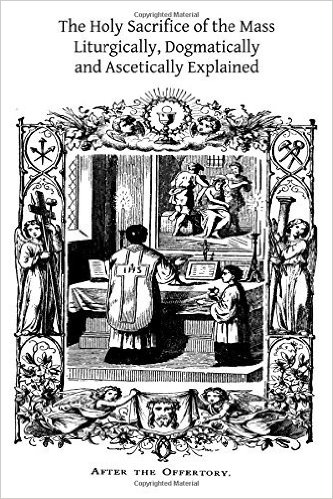 Den nest siste store oversiktboka over messens liturgi jeg har sett på er The Holy Sacrifice of the Mass: Liturgically, Dogmatically and Ascetically Explained av Fr Nicholas Gihr. Den ble utgitt i 1902, men er ny utgitt i nylig, min utgave (fotostatkopi) er fra 2013.
 Boka The Dust of Death leste jeg på slutten av 70-tallet, og den gir en god oversikt over alle religionene og -ismene som hadde kommet til vesten på 60-tallet.
  Boka The Gravedigger File var kanskje ikke så viktig for meg, men den peker på en del problemer som den moderne kristenheten har.
 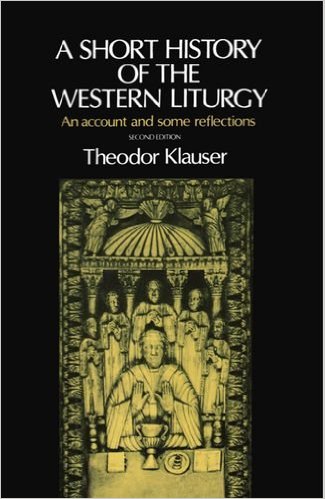 Jeg leser i dag ferdig Theodor Klauser: A Short History of the Western Liturgy. Det er ei nokså kort bok (litt over 200 s) og en del av stoffet er godt kjent for meg, men han skriver bl.a. en del interessante ting om hvordan Tridentinerkonsilets liturgireformer ble gjennomført. På
 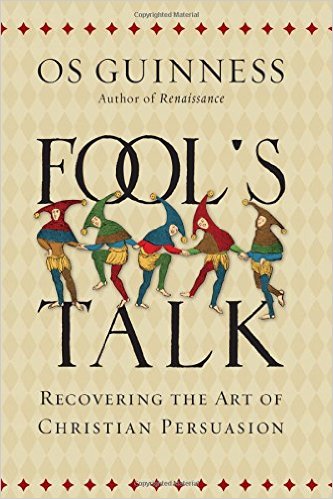 Os Guinness er en av personene knyttet til Francis Schaffer (som
  Jeg ble for noen få dager siden kontaktet ang en mulig nyutgivelse av Francis Schaeffers bok Skjebnetime, som jeg oversatte til norsk i 1985. Francis Schaeffer og hans arbeid på L’Abri betydde mye for meg i mange år, og da jeg ble kontaktet om boka, dukket mange gamle minner opp (jeg møtte bl.a. min kone på L’Abri i Sveits i 1985). Tidligere i dag leste jeg bl.a. om en debatt om Francis Schaeffer i Norge i 2011 –
 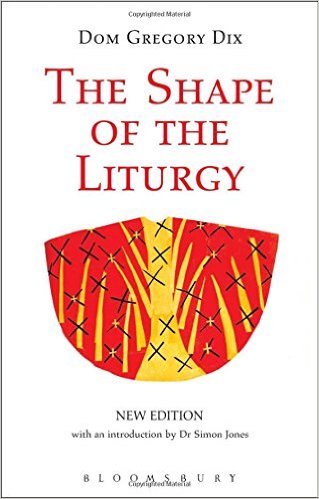 Jeg har nå lest ferdig den ganske berømte The Shape of the Liturgy, av Dom Gregory Dix, og er faktisk ikke så veldig fornøyd med boka.
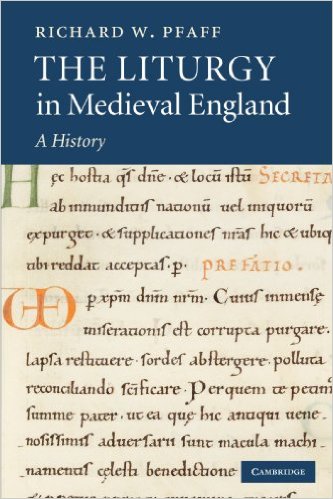
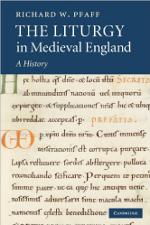 Jeg har nå lest ferdig denne boka, som forfatteren, Richard W. Pfaff, i forordet skriver kanskje heller burde ha blit kalt The Liturgical Books of Medieval England, eller enda bedre (men for langt) The Liturgy in Medieval England: An Essay on the History of Medieval England as seen through Liturgical Sources.
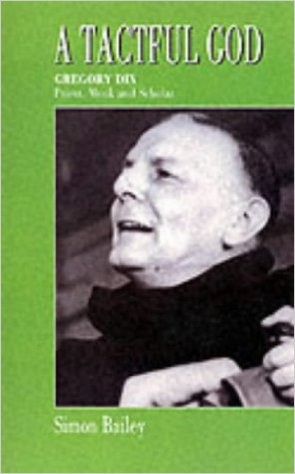 Jeg leste i dag ferdig booka A Tactful God av by Simon Bailey, og den beskriver livet og det liturgiske arbeidet til Dom Gregory Dix, den kjente anglikanske (anglo-katolske) liturgieksperten. (Jeg har hans svært kjente bok, The Shape of the Liturgy med meg på dette studieoppholdet, og skal lese (i alle fall deler av) de 750 sidene om ikke lenge.)