Det er med stor sorg jeg må meddele at Lars Roar Langslet døde i morgentimene idag, noen få dager efterat han hadde mottatt sykesalvingen og viaticum. …
Langslet konverterte i 1963. Det annet vatikankonsil var begynt, og Kirken hadde behov for gode formidlere. Den fremste av disse var hans nære venn, pater Hallvard Rieber-Mohn, men sammen gav de to og biskop John Willem Gran norsk katolisisme en stemme som ble forstått og tatt alvorlig. Den katolske tro var for første gang siden reformasjonen et stort og viktig tema i norsk presse og åndsliv. Lars Roar Langslet fortsatte å skrive om sin tro helt til det siste. En viktig bok var Tanker om tro (2013), som jeg anbefaler sterkt. …
En svært velutdannet tysker, Carl Anton Joseph Maria Dominikus Baumstark, skrev en bok i 1921, som jeg nettopp har lest. Om ham kan vi lese:
Carl Anton Joseph Maria Dominikus Baumstark (4 August 1872, Konstanz – 31 May 1948, Bonn) was a German Orientalist, philologist and liturgist. His main area of study was Oriental liturgical history, its development and its influence on literature, culture and art.
He studied classical and Oriental philology, obtaining his habilitation for both subjects in 1898 at Heidelberg. In 1899, he relocated to Rome, where in 1901, he became an editor of the academic journal Oriens Christianus. Later on, he worked for 15 years as an instructor at a Roman Catholic secondary school in Sasbach, Baden.
In 1921 he became an honorary professor in Bonn, then served as a professor of Semitic studies and comparative liturgal science at Nijmegen (from 1923), followed by a professorship of Arabic and Islamic studies at the University of Utrecht (from 1926). From 1930 to 1935, he was a professor of Oriental studies at the University of Münster.
In 1921, Anton Baumstark delivered two lectures on the development of the Roman Rite to a gathering at the Abbey of Maria Laach. Abbot Ildefons Herwegen offered to publish those lectures, but Baumstark decided to write a book on the topic instead, which was published two years later as On the Historical Development of the Liturgy. It would be another sixteen years before he produced Comparative Liturgy, for which he is better known. Together the two books lay out Baumstark’s liturgical methodology. Comparative Liturgy presents his method; On the Historical Development of the Liturgy offers his model. For nearly a century, On the Historical Development of the Liturgy has been valued by specialists in the field of liturgical studies, both for its description of comparative liturgy and for the portrayal of patterns Baumstark discerns in liturgical development. Also significant are the hypotheses Baumstark proposes and the evidence he brings to bear on problems in liturgical history. In this annotated edition, Fritz West provides the first English translation of this work by Anton Baumstark.
Boka var interessant nok, men jeg leste bare i liten grad de mange og lange kommentarene til oversetteren, så da ble den ikke så mye mer enn halvparten av de 315 sidene den egentlig inneholder.
Nyheter fra Den anglikanske kirke denne uka, at the Episcopal Church of the USA (der de fleste anglikanere i USA er medlemmer) er blitt suspendert fra det anglikanske kirkefellesskapet for tre år pga sitt syn på og sine vedtak om homofile ekteskap, har en betydning også for katolikker – skriver Fr Dwight Longenecker (tidligere anglikansk, nå katolsk prest):
As Catholics view this debacle there are several signals we would be foolish to ignore. First, the Africans are here to stay and they mean business. The North-South clash over issues of human sexuality is as vocal, visible and vibrant in the Catholic Church as it is in the Anglican. Who can forget Cardinal Kasper’s arrogant dismissal of the Africans last Spring, and the Africans assertiveness when sidelined from the synod on the family? The African Anglican victory will doubtless strengthen the resolve of not only the other Anglican African bishops, but also their Catholic brothers in the ongoing battles for the family.
Secondly, the Africans’ victory in this matter will re-orient those in the North who adhere to Biblical Christianity. Historic Christians in both the Anglican and Catholic churches will look to the Africans as the defenders of orthodoxy. Weary of bishops who seem timid and spineless in the North’s culture wars, the Africans will appear to be the saviors of historic and Biblical Christianity. The Anglican Church of North America is already aligned with African bishops. As the lights go down on the Francis papacy, Catholics of the North may well look to the continent of Africa for the next successor of Peter.
Finally, there may be an ecumenical kickback from the Anglican decision. One of the problems that have bogged down Anglican-Catholic discussions is the fact that the ecumenical blabfests have been dominated by theologians from the North who are notoriously ambiguous in their thought and language. Too often “progress” has been made by both sides watering down their language sufficiently and making statements ambiguous enough that both sides can agree. The Africans bring a certain edge and clarity to discussions which are lacking in the more nuanced North. Ecumenical discussions are bound to take a fresh turn with the increasing dominance of the Africans.
Finally, this decision is the first solid sign that the long-predicted shift in global Christianity’s center of gravity from the disenchanted, decadent and declining North to the vibrant and growing South is now upon us.
Jeg har nå lest ferdig Trent: What Happened at the Council, av John O’Malley, SJ, ei svært lærerik og god bok. Det er faktisk slik at dette er den første skikkelige gjennomgangen av konsilet i Trent. Vatikanet åpnet ikke alle arkivene fra Trent før ca 1880, og en stor gjennomgang av konsilet i fire bind fra 50-tallet er nesten ikke blitt oversatt til andre språk (bare bind 1 og 2 til engelsk).
Det ble skrevet mange anmeldelser av boka da den kom i 2013, bl.a. HER, HER, HER og HER. Fra den siste anmeldelsen tar jeg med følgende utdrag:
The fact that only 29 bishops out of an episcopate of perhaps as many as 700 showed up for the council’s opening helped make it an object of derision and satire from its first moment. The further fact that it dragged on for a seemingly interminable length did not help its reputation. Its final decrees, moreover, are dense with theological and canonical technicalities that make them extraordinarily susceptible to misunderstanding except by for scholars initiated into the subtleties of canon law and medieval Scholasticism.
Aside from the decrees, which were published almost immediately, virtually all the background materials — records of the debates in the council, diaries, correspondence, etc. — were inaccessible until 1880 when the Vatican archives were opened. Even so, it took scholars from 1901 until 2001, a full century, to piece them together, edit them and finally begin publishing them.
With those volumes now in hand and with the scholarship, principally German, expended upon them since the volumes began appearing, we are finally able to dispel the myths and misunderstandings that have plagued the council for centuries. A big myth, for instance, is that the council was a smooth-functioning machine intent upon launching an offensive against Protestants and in making the Catholic laity tow the line in their behavior and thinking.
Like all myths, this one has more than a grain of truth in it. The council did, in fact, settle upon a set of procedures for itself that allowed it to function relatively smoothly, but there were just enough ambiguities in it to cause periodic explosions of outrage and denunciations that the council was being manipulated. The biggest ambiguity, which underlay many disruptions, was the pope’s relationship to the council. To what extent did the pope have the authority to determine the council’s course? If there ever was an issue-under-the-issues at the Council of Trent, this was it. Of it, however, the council’s final decrees breathe not a word.
While it is certainly true that the theologians and bishops at the council were heavily prejudiced against Luther and his followers, they tried their best to be fair. They realized, moreover, that at the insistence of Emperor Charles V the council was convoked to try to effect a reconciliation with the Reformers. That this utopian goal could not be attained was mainly due to factors beyond the council’s control. The hour was too late.
Fr O’Malley holder her (under) i 2013, på Gregoriana i Roma, en times forelesning om konsilet i Trent (med materiale fra boka) som man også kan lære mye av. (To personer innleder først, og så begynner O’Malley etter ca 7 minutter.)
Jeg har tatt en liten pause fra liturgilesing, og har i går og i dag lest Trent: What Happened at the Council, av John O’Malley, SJ – den er på 350 sider, så det tar nok et par dager til å lese den ferdig. Den er utgitt på Harvard University Press, og på amazon.com kan man bl.a. lese dette om boka:
In Trent: What Happened at the Council, distinguished author John O’Malley disentangles for us the complicated history of one of the most important ecumenical councils ever held, extracting for us the essential issues from the often animated discussions and the technically formulated decrees on doctrine and reform. Written in a lively literary style without recondite terminology, this compendious account of the Council of Trent will be useful not only to students of church history, theology, and canon law, but also to anyone interested in the religious and cultural developments of the early modern Western world.
Jeg hører til blant de som har visst altfor lite om konsilet i Trento i Nord-Italia, og visste f.eks. ikke at det deltok en nordisk biskop, men i boka nevnes Uppsalas erkebiskop Olaus Magnus. Svensk Wikipedia skriver slik om han:
Olaus Magnus utnämndes 26 oktober 1544 år av påven Paulus III till katolska kyrkans ärkebiskop i Uppsala. Vid det tridentinska mötet 1545 deltog han således som svensk delegat, och han hade föresatt sig att återinföra katolicismen i Sverige, men bodde kvar i Rom. …
Författaren och akademiledamoten Gunnel Vallquist har avlidit, vid en ålder av 97 år, uppger Svenska akademien i ett pressmeddelande. Hon har sedan 1982 varit en av de 18 ledamöter, som bland annat utser Nobelpristagaren i litteratur.
Gunnel Vallquist var en författare och översättare som var tydlig med sin kristna tro. Hon konverterade till katolicismen, och rapporterade bland annat från Andra vatikankonciliet, det stora katolska kyrkomötet på 1960-talet som omformade kyrkans historia.
Hon har också varit ledamot av den svenska Bibelkommissionen, mellan 1973-1980, och 1976 blev hon Teologie hedersdoktor vid Lunds universitet.
När Svenska akademien i ett pressmeddelande berättar om dödsfallet lyfter de också fram hennes kristna tro, och vilket betydelse den haft för hennes författarskap.
«Gunnel Vallquist hade en stark och respekterad ställning inom den katolska kyrkan. Mycket av hennes författarskap präglas också av hennes personliga tro», skriver de.
«Gunnel Vallquist var en välkänd röst för katolska kyrkan i flera svenska akademiska sammanhang. Efter att ha följt det Andra Vatikankonciliet på plats i Rom lyckades hon visa mycket av den katolska kyrkans utveckling i modern tid, och hon fick många att öppna ögonen för katolsk tradition och teologisk förnyelse.
Hon hade en särskild personlig kärlek till fransk spiritualitet och litteratur, och gjorde det katolska Frankrike mer känt i Sverige. Hon hade också en stor förkärlek för att debattera och var mycket engagerad i teologiska samtal, i synnerhet om kyrkans enhet. Må hon vila i frid.»
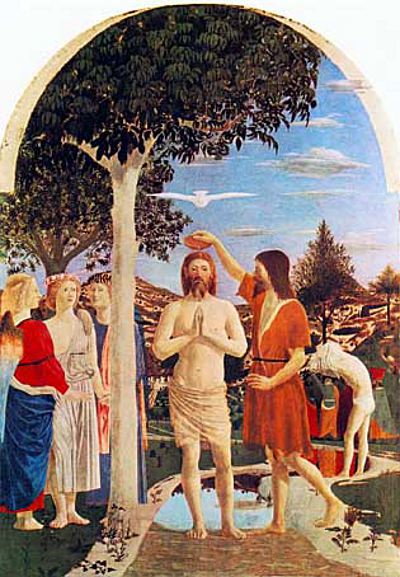
«Hodie caelesti sponso iuncta est Ecclesia, quoniam in Iordane lavit eius crimina.
Currunt cum munere Magi ad regales nuptias et ex aqua facto vino laetantur convivia.
Baptizat miles Regem, servus Dominum suum, Joannes Salvatorem.
Aqua Iordanis stupuit, columba protestatur. Paterna vox audita est: Filius meus hic est, in quo bene complacui. Ipsum audite«.
“Today the Church is joined to the heavenly bridegroom, because he has washed her sins away in the Jordan. The Magi hasten to the royal wedding with gifts and the guests are gladdened with the water turned to wine. The soldier baptizes the King, the servant his Lord, John the Savior. The water of the Jordan is amazed, the dove bears witness. The voice of the Father is heard: This is my Son, with whom I am well pleased. Listen to him.”
… all fifteen of the baptismal homilies delivered by Joseph Ratzinger in the six years of his pontificate, at the Easter Vigil and on the Sunday of the Baptism of Jesus.
They are “mystagogical” homilies, of initiation into the mystery of baptism. Like those of Saint Cyril of Jerusalem, of Saint Ambrose of Milan, of other Fathers of the Church.
It is an anthology collected for the first time here, of extraordinary richness. As can be perceived from the passages of each homily as they gradually unfold.
Pave Benedikts prekener er fra påskenatt 2006-2012 og fra festen for Jesu dåp 2006-2013. Her er et utdrag fra påskenatt 2012:
… Through the sacrament of baptism and the profession of faith, the Lord has built a bridge across to us, through which the new day reaches us. The Lord says to the newly-baptized: Fiat lux – let there be light. God’s new day – the day of indestructible life, comes also to us. Christ takes you by the hand. From now on you are held by him and walk with him into the light, into real life. For this reason the early Church called baptism «photismos» – illumination.
Why was this? The darkness that poses a real threat to mankind, after all, is the fact that he can see and investigate tangible material things, but cannot see where the world is going or whence it comes, where our own life is going, what is good and what is evil. The darkness enshrouding God and obscuring values is the real threat to our existence and to the world in general. …
Jeg har nå lest gjennom mesteparten av boka A Sense of the Sacred: Roman Catholic Worship in the Middle Ages, av James Monti. Den har vært ganske interessant, men jeg har ikke lest alle delene av den like grundig. Boka trekker fram liturgier fra store deler av Europa; Spania, England, Roma, og også land som Polen, Litauen og Finland – stort sett liturgier fra 13-, 14- og 15-hundretallet. Første del av boka tar for seg de sju sakramantene, neste del viktige dager i kirkeåret, og tredje del andre viktige liturgier, som pavevalg og -innsettelse, helgenkåring o.a.
Hvis man kjenner den tradisjonelle liturgien (fra 1962), som jeg gjør f.eks.når det gjelder selve messen og også dåpsliturgien, gir ikke denne boka så mye ny informasjon, men den viser en del små varianter fra land til land – fra tida før den katolske liturgien ble mer strømlinjeforma etter konsilet i Trent. Hvis man derimot ikke kjenner den tradisjonelle liturgien, vil det meste av materialet som presenteres her være ganske nytt og spennende.
I et brev fra troskongregasjonen datert 1. desember i år står det at at Erik Andreas Heyerdahl Holths prestevielse i Polish National Catholic Church er gyldig, og at han dispenseres fra forpliktelsen til sølibat. Paven gir samtidig biskop Bernt Eidsvig fullmakt til å inkardinere p. Holth i Oslo katolske bispedømme og gi ham et pastoralt oppdrag.
Han vil inkardineres og settes inn i tjenesten allerede 7. februar i St. Paul menighet i Bergen, som han har tilhørt siden han ble opptatt i Den katolske kirkes fulle fellesskap i 2012.
Polish National Catholic Church er «Moderkirke» for Den nordisk katolske kirke, hvor p. Holth gjorde tjeneste som prest i ti år, fra 2001 til 2011. Før det virket han syv år som prest i Den norske kirke. De senere år har han gjort frivillig innsats som kateket og leder for ekteskapskurs i St. Paul, og han har også vært nestleder for menighetsrådet.
Erik Andreas Holth er gift og har tre barn. Han blir Oslo katolske bispedømmes fjerde gifte prest.
Denne informasjonen er tatt fra katolsk.no, og det er gledelig at p. Holths ventetid nå er over. Så langt jeg vet er det ikke helt klart hva hans tjeneste skal bestå i, for det er ikke til å stikke under en stol at enkelte praktiske ting skaper problemer for oss gifte prester. P. Holth må nok fortsette sin jobb i videregående skole i (nesten) full stilling av økonomiske grunner, og vil bare kunne være prest på deltid. Av de to gifte mennene som ble ordinert i 2014 er den ene prest ved siden av full stilling, og den andre er pensjonist og jobber 50% i en menighet.
Selv ble jeg ordinert i januar 2000, og jobbet de første 6 årene 60% på St Skole i Bergen og 40% i menigheten. De siste nesten 10 årene har jeg vært prest på fulltid, men heller ikke det har vært uten problemer, for jeg kan ikke få noen ledende stilling (som f.eks. sogneadministrator) siden jeg er gift, og det ble ikke noen ordning på min avlønning før i mars 2014 – etter nokså lange og vanskelige forhandlinger.
Etter årevis med utgravinger kan arkeologene for første gang vise hvordan Barcode-området så ut for 400 år siden. «Generelt er jeg litt tilbakeholden med å si at vi arkeologer alltid skriver ny historie, men i dette tilfellet vil jeg faktisk påstå at vi gjør det.» Det sier seniorrådgiver og arkeolog Jostein Gundersen i kulturminneavdelingen hos Riksantikvaren.
I snart ti år har Norsk Maritimt Museum og Norsk institutt for kulturminneforskning (NIKU) drevet arkeologiske undersøkelser i Bjørvika. For første gang kan arkeologene nå presentere et bilde av slik de tror Oslo havn så ut rett etter reformasjonen og frem til bybrannen i 1624.
Illustrasjonen er laget av arkitekt Ole A. Krogness på oppdrag fra Riksantikvaren. Den er basert delvis på funn og delvis på kvalifisert gjetning.
– Det var først da vi startet utgravingen ved Barcode, at vi virkelig fikk øynene opp for at her var det vesentlig mye ny kunnskap og informasjon som kom til å dukke opp. Dette har bidratt til å endre vår oppfatning av hvordan havneområdet har vært brukt, sier Gundersen.
Jeg har startet på et ganske stort verk (650 s), om katolske liturgier (både messen og andre liturgier, dåp, konfirmasjon etc) i middelalderen: A Sense of the Sacred: Roman Catholic Worship in the Middle Ages, av James Monti.
This incomparable volume presents a comprehensive exploration and explanation of medieval liturgical celebrations. The reverent prayers, hymns and rubrics used in the Middle Ages are described in detail and interpreted through the commentary of scholars from the same time period, the era which is also known as the «Age of Faith».
Collected here is a wide range of ceremonies, encompassing the seven sacraments, the major feasts of the liturgical year (such as Christmas, Easter, and Corpus Christi), and special liturgical rites (from the coronation of the pope to the blessing of expectant mothers). The sacred celebrations have been drawn from countries across western and central Europe-from Portugal to Poland-but particular attention has been given to liturgical texts of medieval Spain, which until now have received relatively little attention from scholars.
Historian James Monti has done exhaustive research on medieval liturgical manuscripts, early printed missals, and the writings of medieval liturgists and theologians so that the treasures they contain can inspire a sense of the sacred in future generations of Catholics.
Et par anmeldere sier om boka:
«James Monti’s treatise is an astonishing achievement, a book that can and will shape a new generation of intellectuals who are serious about the Catholic liturgy. Despite the title, this book is not only about medieval liturgy. It’s about inspiring the creation of, and the provision of access to, truly sacred spaces in our time, even in a world that seems so barren of them. My own special interest is in Gregorian chant, but Monti’s book helps broaden the picture to include a spiritual panorama of extraordinary breadth and depth. We have so much to learn from the past and so much to work toward for a bright and beautiful future of recaptured truth.»
«Among the ambiguous legacy of the Liturgical Movement of the twentieth century is the neglect and incomprehension of medieval liturgy. This book is a welcome contribution towards redressing this imbalance. James Monti recovers the tradition of mystical commentary on the sacred rites, a common heritage of East and West, and enriches it with his vast historical erudition. This volume will serve as a useful resource for anyone who wishes to enter into the spirit of the liturgy that shaped a millennium of Christian history.»
De to bøkene jeg nettopp har lest av Lang er The Voice of the Church at Prayer: Reflections on Liturgy and Language og Signs of the Holy One: Liturgy, Ritual, and Expression of the Sacred. To gode bøker, men det er nokså korte (og for det meste enkle), så det var ikke så mye ny informasjon for meg i dem.
Pope Benedict XVI has made the liturgy a central theme of his pontificate, and he has paid special attention to the vitally important role of language in prayer. This historical and theological study of the changing role of Latin in the Roman Catholic Church sheds light on some of the Holy Father’s concerns and some of his recent decisions about the liturgy.
The Fathers of the Second Vatican Council allowed for extended use of the vernacular at Mass, but they maintained that Latin deserved pride of place in the Roman Rite. The outcome, however, was that modern translations of the prayers of the Mass replaced the Latin prayers.
What was the reason for the Council’s decision and why is there now a desire for greater use of Latin in Catholic worship? Why have some post-conciliar English translations of the prayers of the Mass been replaced?
Fr. Lang answers these questions by first analyzing the nature of sacred language. He then traces the beginnings of Christian prayer to the Scriptures and the Greek spoken at the time of the apostles. Next he recounts the slow and gradual development of Latin into the sacred language of the Western Church and its continuing use throughout the Middle Ages. Finally, he addresses the rise of modern languages and the ongoing question of whether the participation of the laity at Mass is either helped or hindered by the use of Latin.
Catholic liturgy is far more than its texts. It is a synthesis that also includes several other elements—gesture, music, art, and architecture—which are aspects of the non-verbal language of the sacred and are what make the liturgy beautiful.
Father Lang’s consideration of the beauty of the liturgy addresses the modern notion that beauty is in the eye of the beholder, that the experience of beauty is entirely subjective. This idea makes it difficult to articulate criteria for what is beautiful, yet sacred liturgy does indeed have objective measures for evaluating its principal elements. Reflecting upon these and quoting from authoritative Church documents, Father Lang discusses sacred music, art, and architecture, and demonstrates how the beauty of these elements makes present the sacred.
Pope Benedict XVI said, “The greatness of the liturgy depends—we shall have to repeat this frequently—on its non-spontaneity.” Continuous liturgical experimentation is unable to induce a sense of meaning or peace, writes Father Lang, because novelty does not satisfy the yearning for the Transcendent within the human psyche, which is rarely far from the surface.
Jeg har nå lest ferdig ei bok jeg må innrømme at jeg ikke likte noe særlig. Det er Sacrifice Unveiled, The True Meaning of Christian Sarifice, skrevet av Robert Daly, SJ. Boka ble utgitt i 2009 men forfatteren har visst arbeidet med offer-temaet siden 60-tallet, og visst oppdaget mye nytt via fenomenoligiske og mimetiske teorier, og en grunnleggende forståelse av at offeret (og eukaristien) er Trinitarisk (hva nå det skal bety). I praksis fører det til at det er lite igjen av katolske forståelse av Kristi offer, og av eukaristien.
… Traditional Western atonement theory — at least in its extreme, but all-too common forms — ultimately reduces to something like the following caricature: (1) God’s honor is damaged by sin; (2) God demanded a bloody victim to pay for this sin; (3) God is assuaged by the victim; (4) the death of Jesus the victim functioned as a payoff that purchased salvation for us.
Such a theory is literally monstrous in some of its implications. For when it is absolutized or pushed to its “theo-logical” conclusions and made to replace the Incarnation as central Christian doctrine, it tends to veil from human view (from Protestants as well as from Catholics) the merciful and loving God of biblical revelation. Despite my books and articles on the subject, I had for many years no satisfactory answer to this problem.
That changed when, serendipitously forced to edit Ed Kilmartin’s last book, I discovered the trinitarian understanding of sacrifice to which I now turn. Authentic Christian, that is, Trinitarian Understanding of Sacrifice Constantly fine-tuning my own understanding of it, … First of all, Christian sacrifice is not some object that we manipulate; it is not primarily a ceremony or ritual; nor is it something that we “do” or “give up.” For it is, first and foremost, something deeply personal: a mutually self-giving event that takes place between persons. Actually it is the most profoundly personal and interpersonal act of which a human being is capable or in which a human being can participate.
It begins in a kind of first “moment,” not with us but with the self-offering of God the Father in the gift-sending of the Son. Christian sacrifice continues its “process of becoming” in a second “moment,” in the self-offering “response” of the Son, in his humanity and in the power of the Holy Spirit, to the Father and for us. Christian sacrifice continues its coming-to-be, and only then does it begin to become Christian sacrifice in our lives when we, in human actions that are empowered by the same Spirit that was in Jesus, begin to enter into that perfect, en-spirited, mutually self-giving, mutually self-communicating personal relationship that is the life of the Blessed Trinity. …..
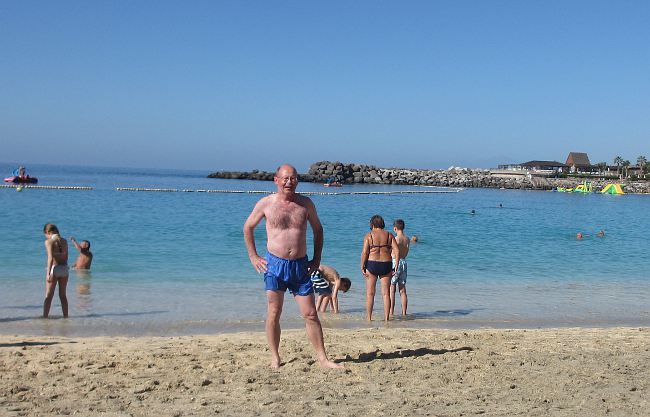
På øverste bilde har jeg nettopp kommet opp fra årets første bad, 1/1 kl 12.00! Den ganske berømte Amadores-stranda ligger rett nedenfor vår leilighet. Det andre bildet viser utsikten fra vår balkong ved solnedgang, Tenerife i bakgrunnen.
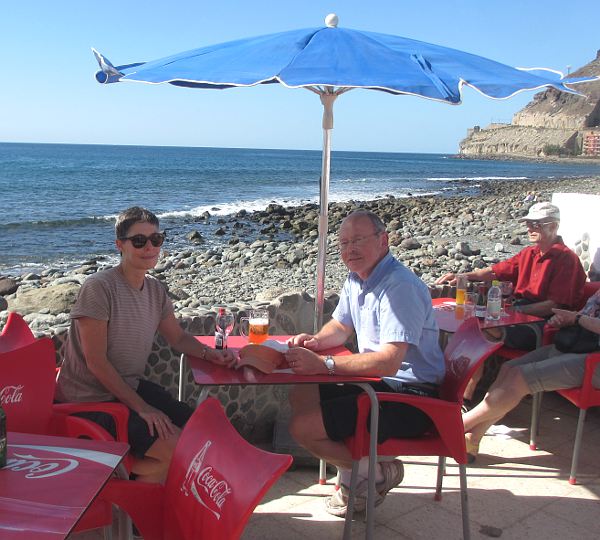
Vi var i Norge i to og en halv uke, feiret bryllupsdag, min fødselsdag og jul, sammen med en hel del besøk hos familie og venner. Nå er vi ute på det andre av tre utenlandsopphold i løpet av min ca 5 måneders studiepermisjon. Vi er på Gran Canaria, som bildet viser, og jeg har med meg over 10 bøker om Den katolske Kirke og dens liturgi, som jeg skal forsøke å lese.
Denne litt dramatiske overskrifta finner vi i siste nummer av First Things, som gjengir Ross Douthats (som skriver i New York Times) Erasmus Lecture, som han holdt i New York tidligere i høst.
Det er et ganske langt foredrag, og jeg tar bare med det jeg syntes var den mest interessante/klargjørende delen:
… Two things have been genuinely revelatory about the Francis era, however. The first is how weak the Catholic center remains, how quickly consensus falls apart, and how much space actually separates the center-left and center-right within the Church. Until recently I thought of myself as part of that center-right, and from that vantage point, it seemed like there was a great deal of room for Pope Francis to tack center-leftward without opening up major doctrinal debates—tackling divorce and remarriage by streamlining the annulment process and making it more available in poorer countries, stressing the social gospel a little more and the culture war a little less, appointing women to run Vatican dicasteries, even reopening debates over female deacons and married priests. On some of these fronts conservatives would have doubted, questioned, or opposed, but the debates wouldn’t have led so quickly to fears of heresy and schism.
But instead, as Francis has pushed into more divisive territory, what I had thought of as the Catholic center-left has not only welcomed that push but written and spoken in ways that suggest they want to push further still—toward understandings of the sacraments, ecclesiology, and moral theology that seem less center-left than simply “left,” the purest vintage of the year of our Lord 1968 or 1975. Which perhaps reveals that I’ve actually been further “right” all along, but either way suggests a hollowness at the Catholic center, a striking lack of common ground.
Then it’s also been revelatory how strong a liberal constituency still remains within the priesthood and the episcopate, the places where one would have thought thirty years of papal conservatism would have left their strongest impact. Which, to be clear, they did: Seminaries really have changed dramatically since the ’70s, there really is a John Paul II and Benedict generation of younger priests, and the hierarchy is markedly more conservative than it was in the later years of Paul VI. Moreover, I do not think that most of the cardinals voting for Jorge Bergoglio thought that they were voting to reopen the Communion-and-remarriage debate, let alone that their votes were any kind of deliberate rejection of the magisterium of the previous two popes.
But the fact remains that a college theoretically “stacked” by John Paul II and Benedict XVI elected as pope a candidate who had been championed, across two conclaves, by the most liberal cardinals in the Church. The fact remains that all of the bishops who have agitated for changing the Church’s doctrine—or, as they claim, the Church’s discipline—on marriage and the sacraments were appointed by the last two popes. And the fact remains that while the majority of bishops do seem loyal in principle to the magisterium of John Paul II, there has been no shortage of episcopal enthusiasm for an essentially Hegelian understanding of the development of doctrine. …
Det tredje eksempelet fra artikkelen jeg allerede har vist til, er biskop Edward Slattery i Tulsa, Oklahoma, USA. Han sier at han nesten alltid når han feirer messe i sin domkirke (de siste fem år) har han feiret messen «vendt samme vei som folket». Vider kan vi lese:
Bishop Slattery sees Cardinal Sarah’s recent liturgical remarks as a continuation of what Cardinal Joseph Ratzinger taught, especially in The Spirit of the Liturgy, while serving as prefect of the Congregation for the Doctrine of the Faith prior to his election as Pope Benedict XVI. This, in turn, is seen by Bishop Slattery as a continuation of what the Fathers of Vatican II taught: “It’s nothing new, really. It’s not only a decades-old tradition, but a centuries-old tradition of the Church that has solid theological and practical foundations.”
It is common sense to Bishop Slattery, who recalls simple rules of communication: “When I’m speaking to someone, I usually face that person. So when I’m giving a sermon, I face the people, because they are the ones I’m addressing. When I’m in prayer — especially offering Jesus to the Father at the altar — I’m addressing the Father, so it is no wonder that I should be facing him, rather than the people.”
Bishop Slattery believes authentic participation is not facilitated by the priest facing the people at these times, because then the priest becomes the central focus … “The priest is supposed to lead the people in Christ to the Father,” the bishop added, “yet when the priest faces the people, he becomes a locked — rather than an open — door. Instead of thinking about Christ going to the Father, the faithful are thinking about the personality of the priest.”
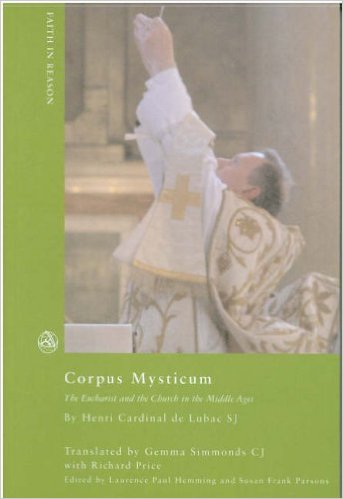
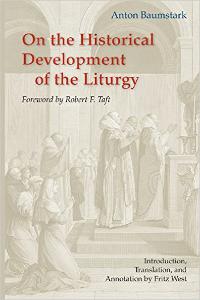 En svært velutdannet tysker, Carl Anton Joseph Maria Dominikus Baumstark, skrev en bok i 1921, som jeg nettopp har lest.
 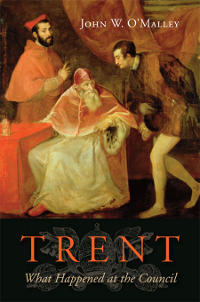 Jeg har nå lest ferdig Trent: What Happened at the Council, av John O’Malley, SJ, ei svært lærerik og god bok. Det er faktisk slik at dette er den første skikkelige gjennomgangen av konsilet i Trent. Vatikanet åpnet ikke alle arkivene fra Trent før ca 1880, og en stor gjennomgang av konsilet i fire bind fra 50-tallet er nesten ikke blitt oversatt til andre språk (bare bind 1 og 2 til engelsk).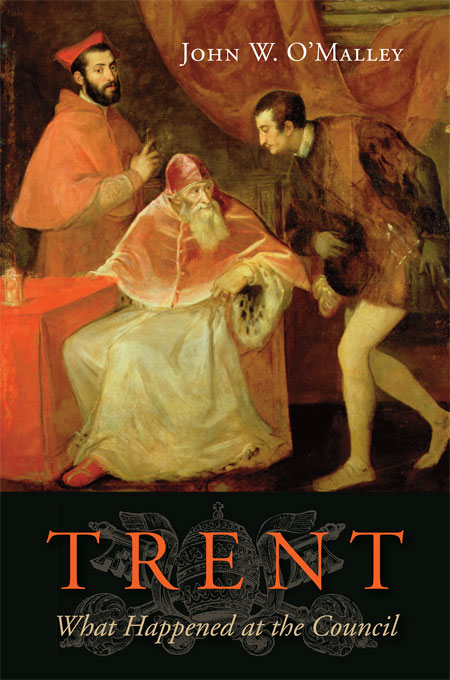
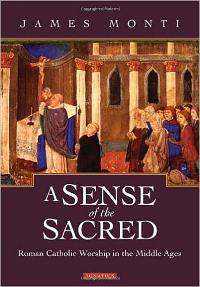

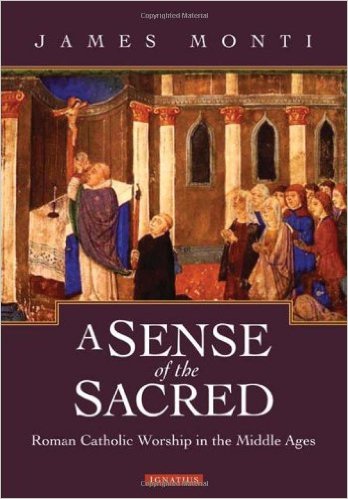 Jeg har startet på et ganske stort verk (650 s), om katolske liturgier (både messen og andre liturgier, dåp, konfirmasjon etc) i middelalderen: A Sense of the Sacred: Roman Catholic Worship in the Middle Ages, av James Monti.
 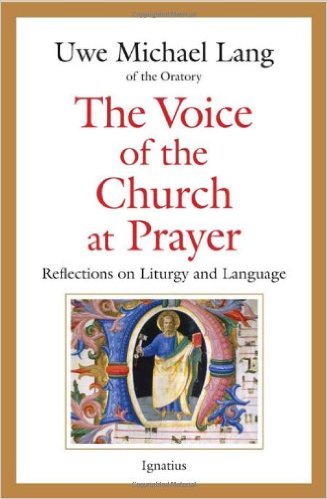 De to bøkene jeg nettopp har lest av Lang er The Voice of the Church at Prayer: Reflections on Liturgy and Language og Signs of the Holy One: Liturgy, Ritual, and Expression of the Sacred. To gode bøker, men det er nokså korte (og for det meste enkle), så det var ikke så mye ny informasjon for meg i dem.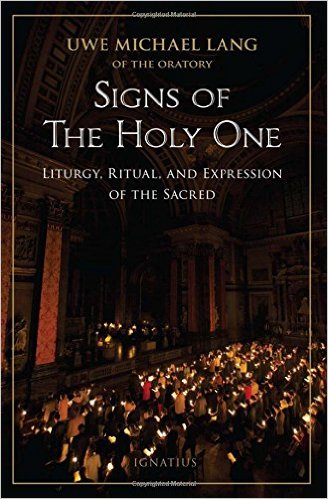
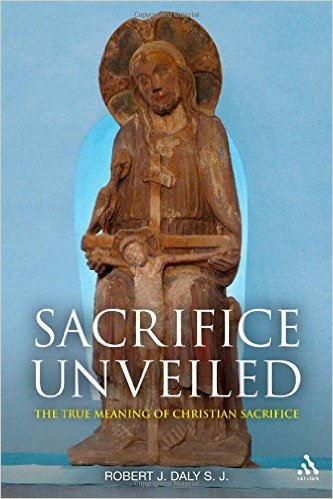 Jeg har nå lest ferdig ei bok jeg må innrømme at jeg ikke likte noe særlig. Det er Sacrifice Unveiled, The True Meaning of Christian Sarifice, skrevet av Robert Daly, SJ. Boka ble utgitt i 2009 men forfatteren har visst arbeidet med offer-temaet siden 60-tallet, og visst oppdaget mye nytt via fenomenoligiske og mimetiske teorier, og en grunnleggende forståelse av at offeret (og eukaristien) er Trinitarisk (hva nå det skal bety). I praksis fører det til at det er lite igjen av katolske forståelse av Kristi offer, og av eukaristien.