Katolikker fra Irak
Det fins også latinske katolikker fra Irak i Norge, men jeg tror nok de fleste katolikker fra Irak (i Norge og andre steder) tilhører den kaldeiske ritus (som bruker en dialekt av Jesu eget språk, arameisk). Avisa Dagen skriver om disse kaldeiske kristne (og nevner såvidt at de er katolikker) i en artikkel der hovedbudskapet et at alt håp er ute for de kristne i Irak. De skriver bl.a.:
Fader Rooni Yousif er Norges første kaldeiske prest. Han ser ikke lenger noen fremtid for kristne i hjemlandet. «Hvordan kan verden hjelpe de kristne til å bli værende i Irak?»
Vi stiller spørsmålet til Norges nye kaldeiske prest, på koselige Café Jordbærpikene på Tveita senter i Oslo. Svaret er blottet for kos.
«Det er for sent. Det hersker en fullstendig mangel på tillit. De har mistet troen på at de har en fremtid i Irak», svarer fader Rooni kontant.
Svaret ryster meg. Gang på gang har jeg hørt kirkeledere advare mot at Irak tømmes for kristne, hvis de ikke får hjelp til å bli, men aldri før har jeg hørt noen si at det faktisk er for sent.
«Men hvis verden virkelig mobiliserer», prøver jeg.
Den kaldeiske presten rister på hodet. «Det er for sent nå, svarer han. Altfor mange har reist.»
Siden Saddams fall i 2003 har tallet på kristne minket fra drøyt 1,2 millioner til nær 200.000.
Den siste masseflukten startet da IS erobret Mosul og de kristne landsbyene på Ninive-sletten i Nord-Irak sommeren 2014. Ett og et halvt år etter bor IS-flyktningene fremdeles i kummerlige, midlertidige boliger. De mangler det meste, mange av barna får ikke gå på skole, og IS-krigere okkuperer fremdeles hjemmene deres i Mosul og på Ninivesletten.
Lenge oppfordret irakiske kirkeledere de kristne til å vise mot og bli værende i Irak. Det har de fleste lederne sluttet med. …
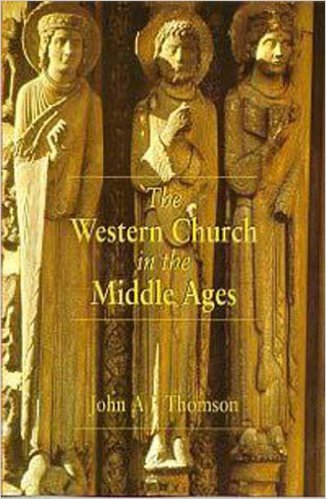
 Western Church in the Middle Ages, skrevet John A. F. Thomson, var en ganske interessant bok, som tar for seg Kirkens historie i litt over 1000 år (fra 450 til 1515) – selv om den omtalt en hel del ting som jeg visste fra før.
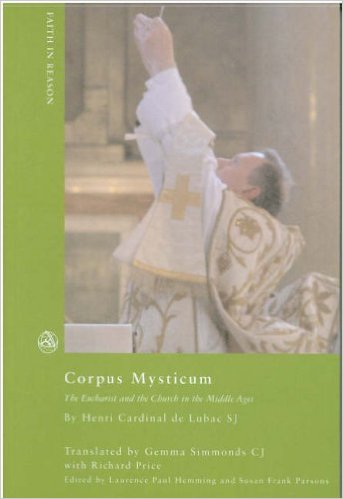
 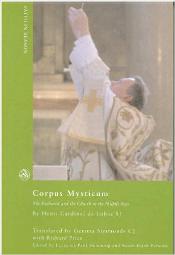 Kardinal Henri Lubac, SJ, utga denne boka (på fransk) i 1944, men så vidt jeg forstår kom det ikke noen engelsk oversettelse før i 2011.
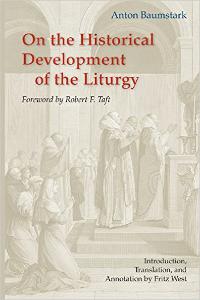 En svært velutdannet tysker, Carl Anton Joseph Maria Dominikus Baumstark, skrev en bok i 1921, som jeg nettopp har lest.
 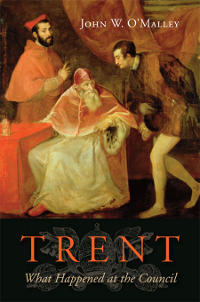 Jeg har nå lest ferdig Trent: What Happened at the Council, av John O’Malley, SJ, ei svært lærerik og god bok. Det er faktisk slik at dette er den første skikkelige gjennomgangen av konsilet i Trent. Vatikanet åpnet ikke alle arkivene fra Trent før ca 1880, og en stor gjennomgang av konsilet i fire bind fra 50-tallet er nesten ikke blitt oversatt til andre språk (bare bind 1 og 2 til engelsk).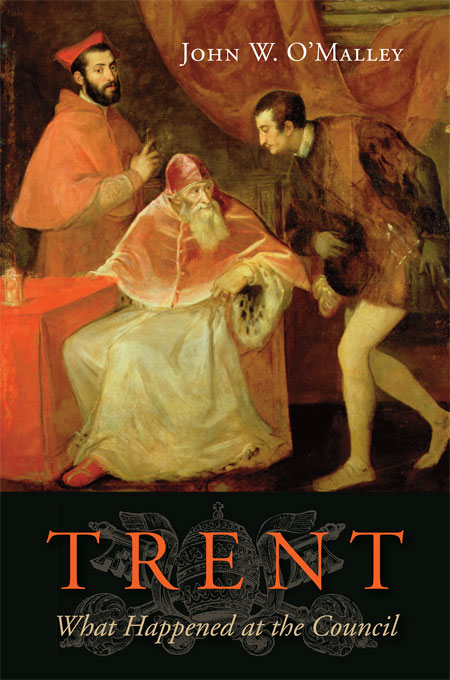
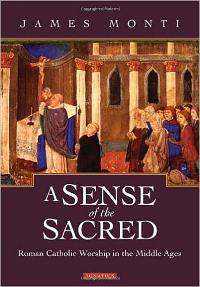
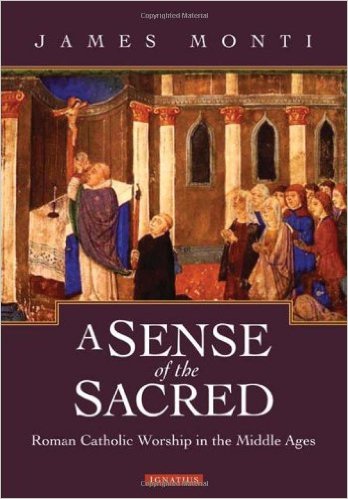 Jeg har startet på et ganske stort verk (650 s), om katolske liturgier (både messen og andre liturgier, dåp, konfirmasjon etc) i middelalderen: A Sense of the Sacred: Roman Catholic Worship in the Middle Ages, av James Monti.
 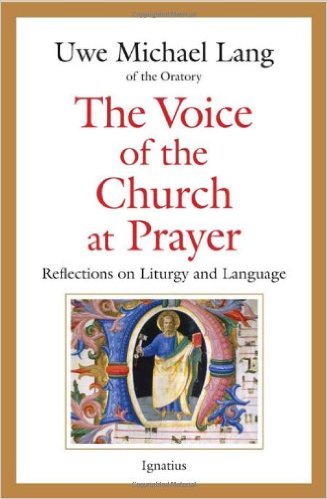 De to bøkene jeg nettopp har lest av Lang er The Voice of the Church at Prayer: Reflections on Liturgy and Language og Signs of the Holy One: Liturgy, Ritual, and Expression of the Sacred. To gode bøker, men det er nokså korte (og for det meste enkle), så det var ikke så mye ny informasjon for meg i dem.